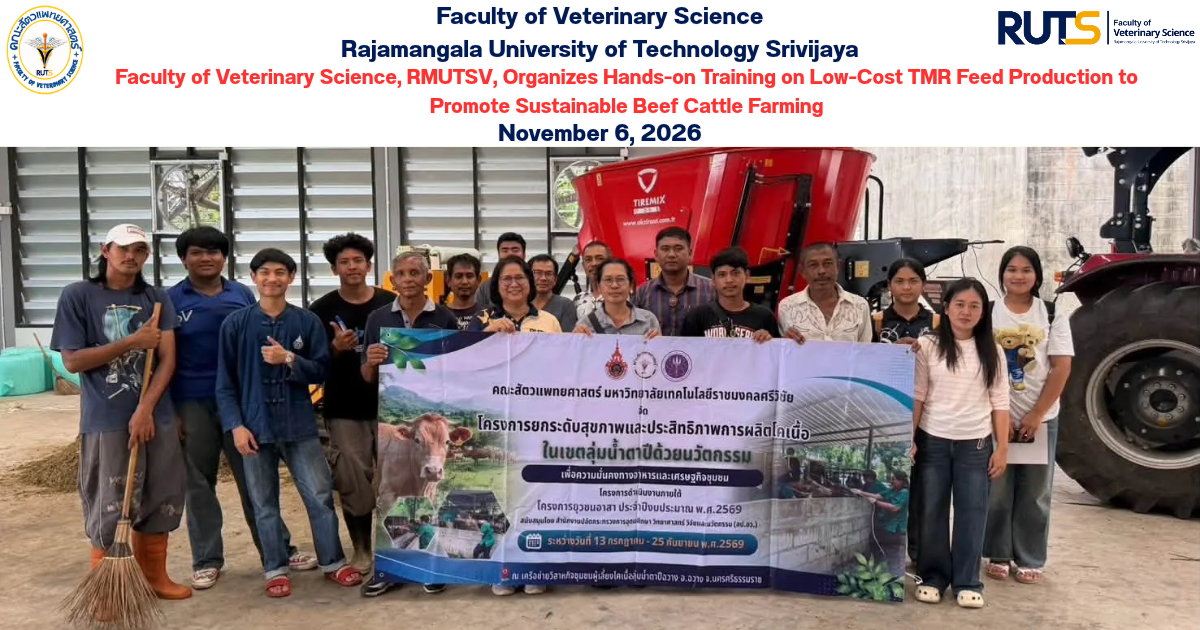
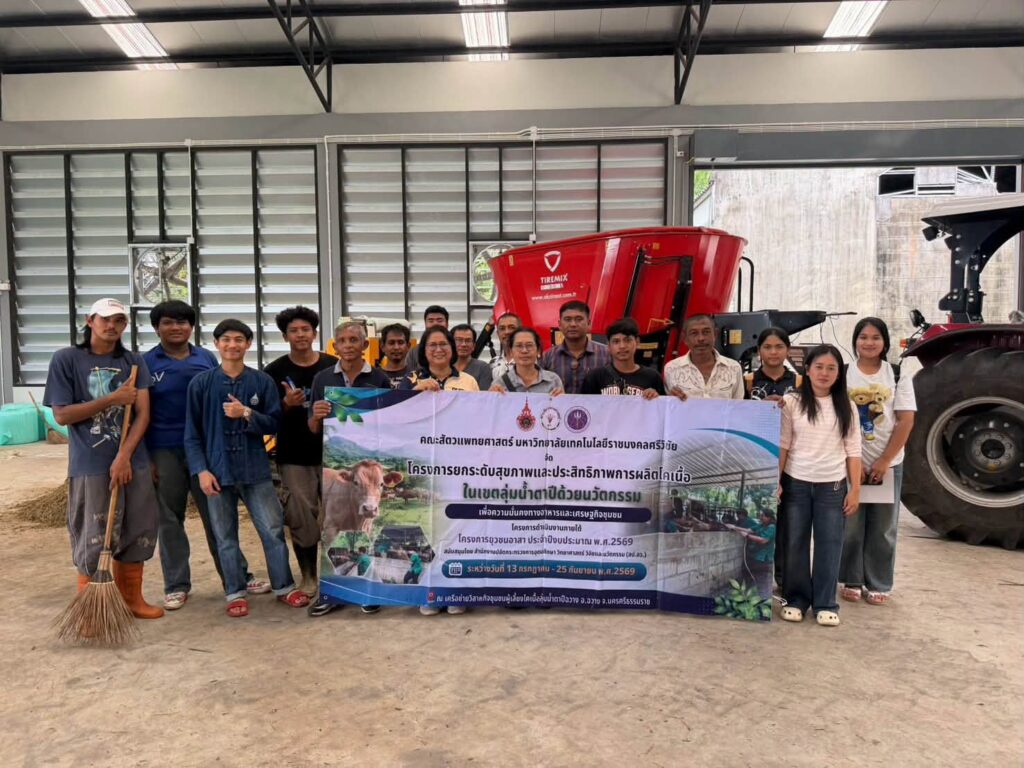
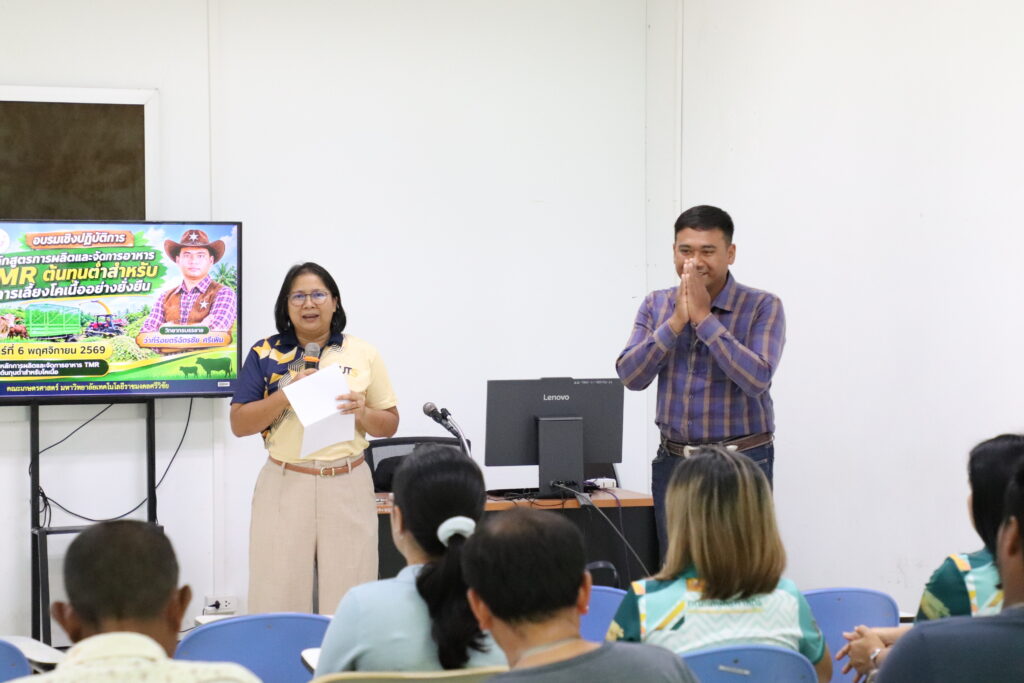
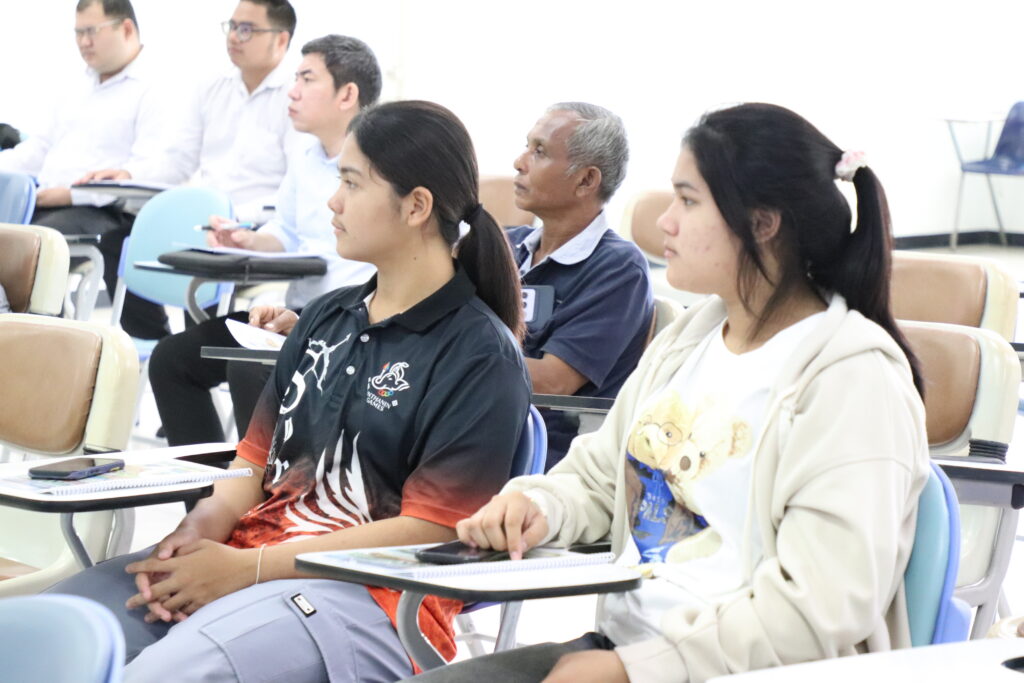
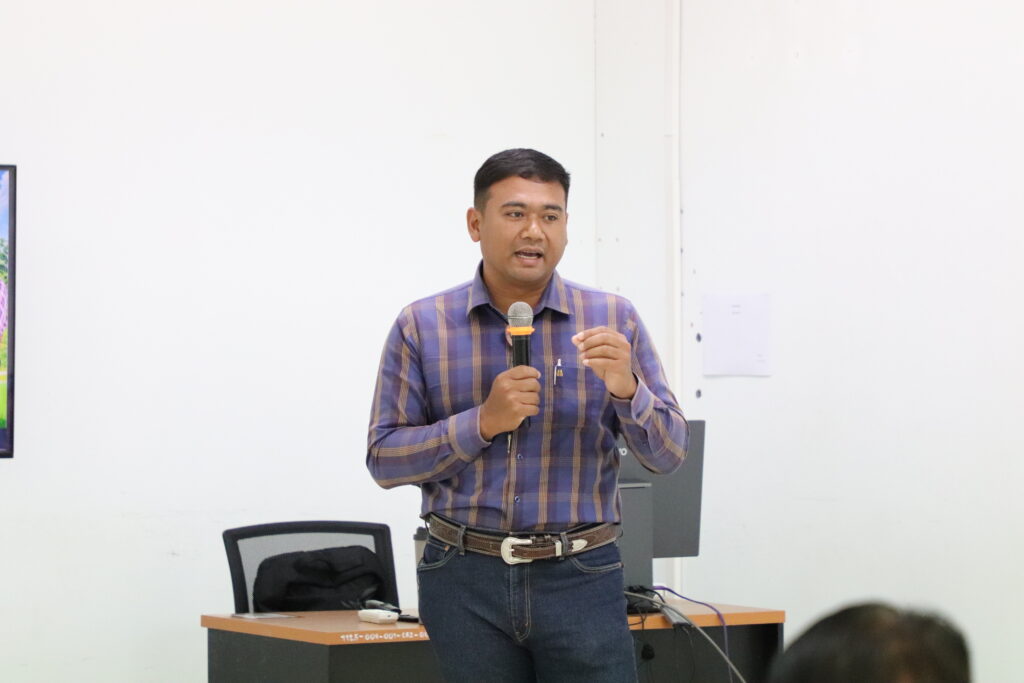
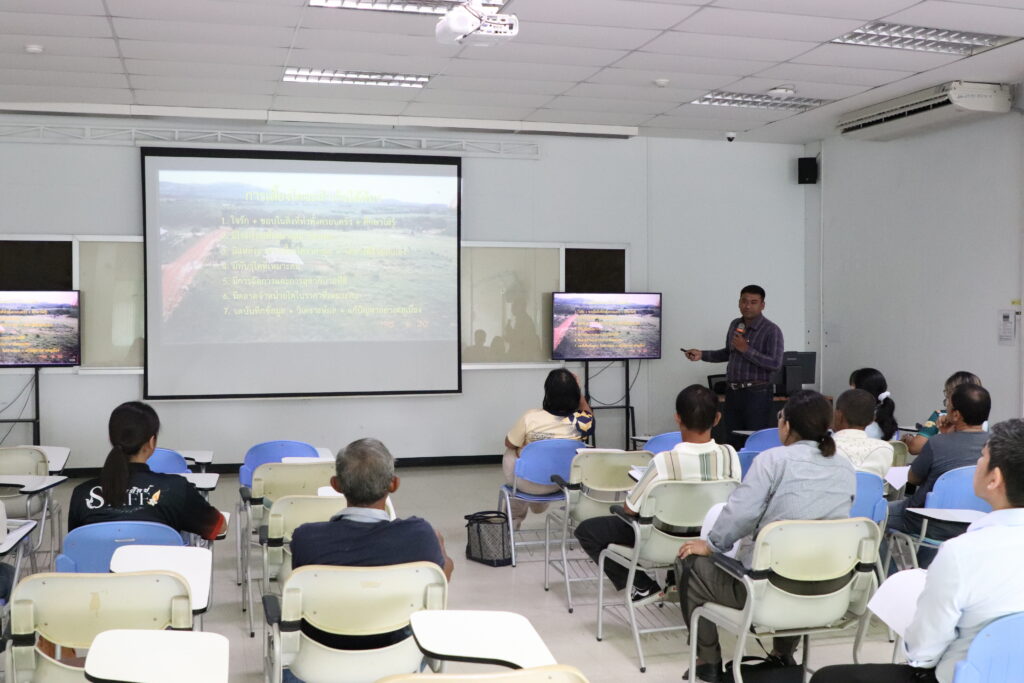
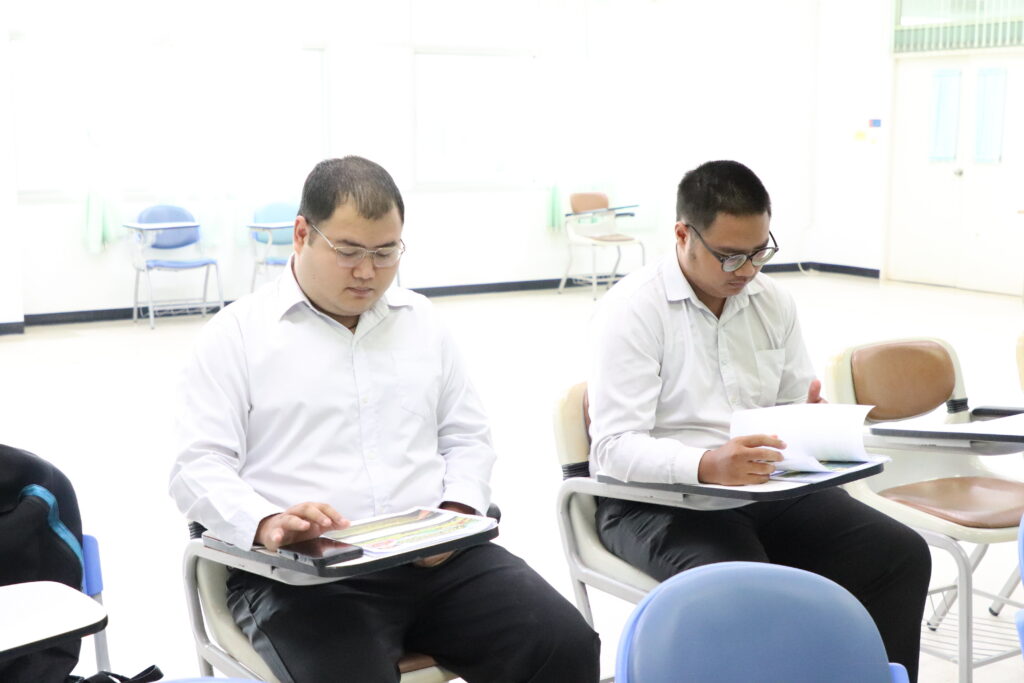
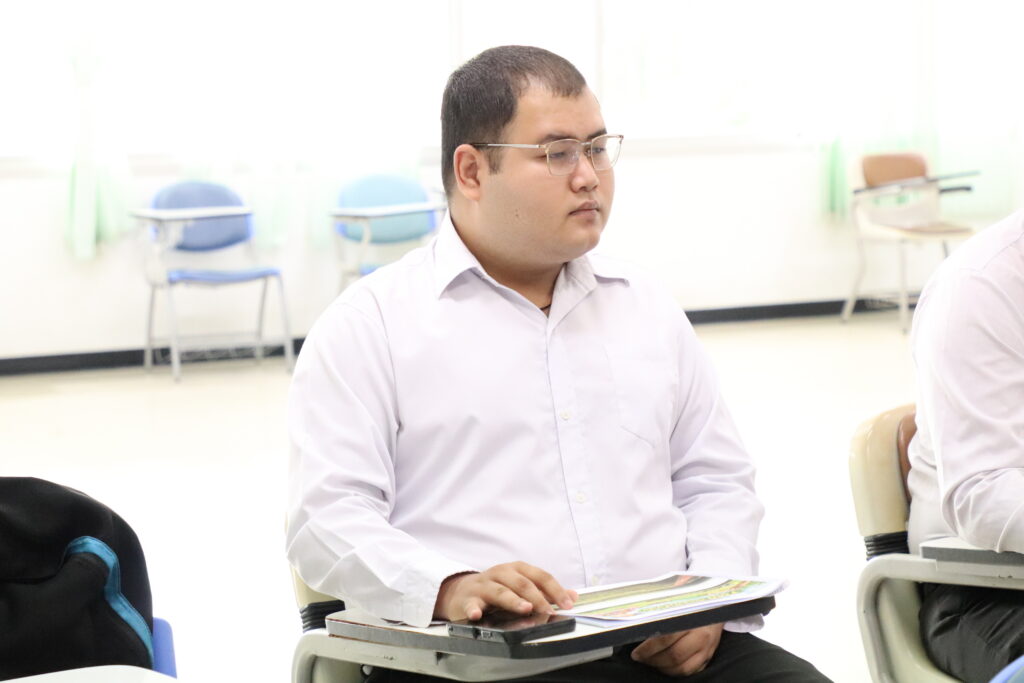
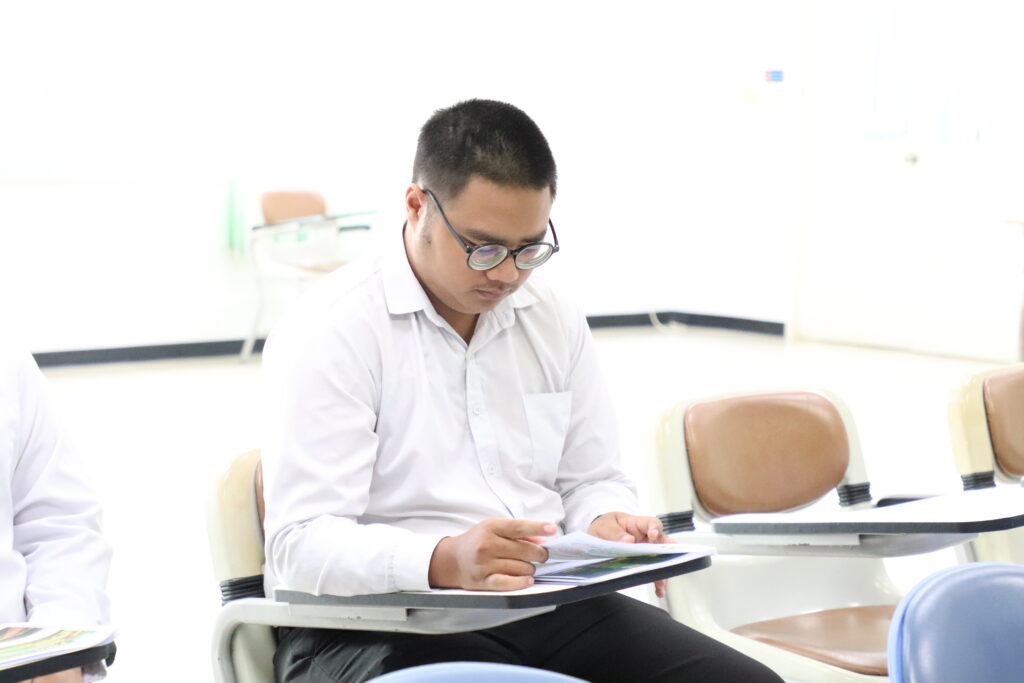
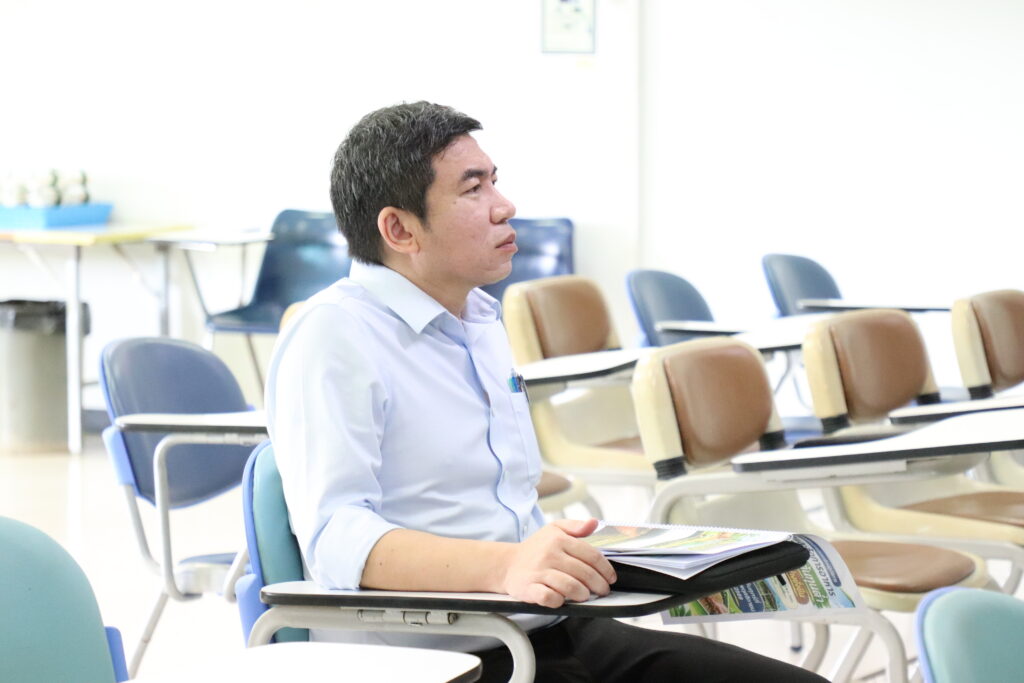

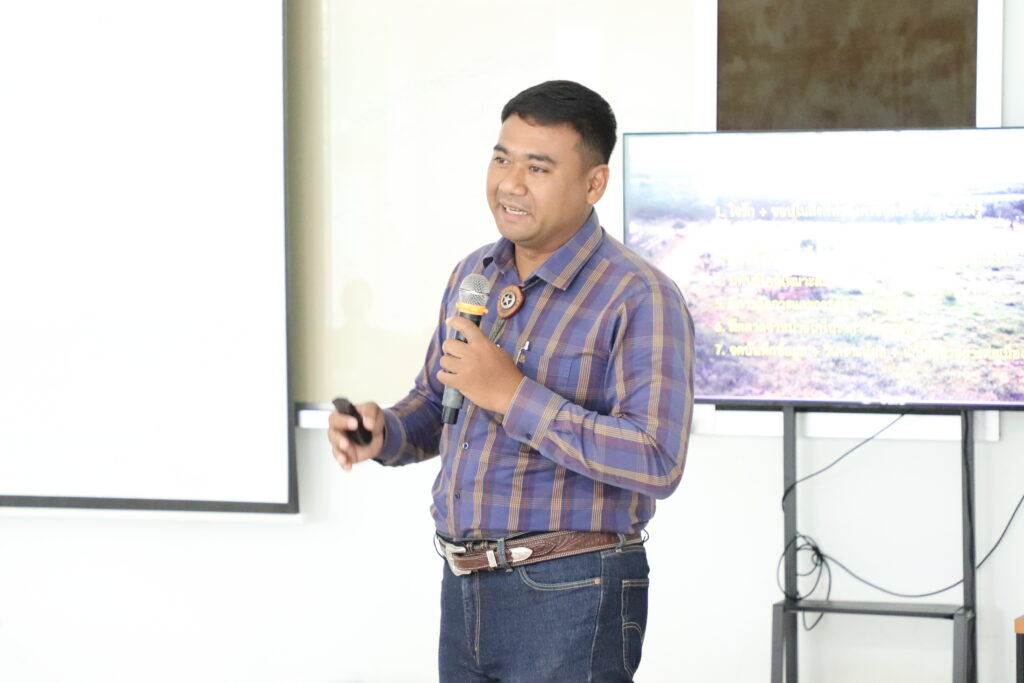
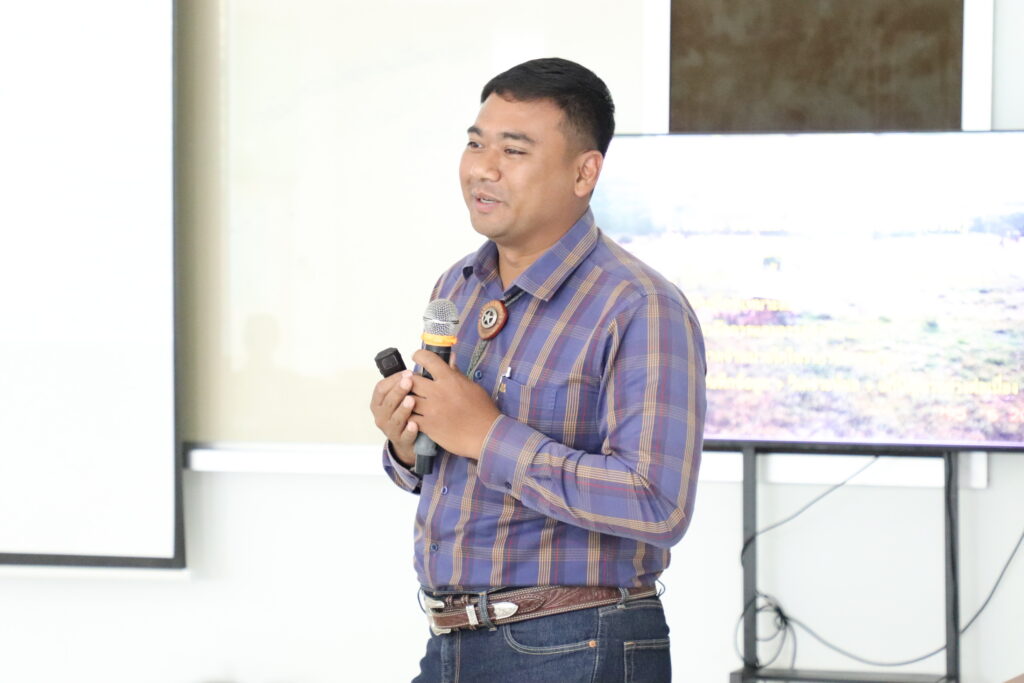
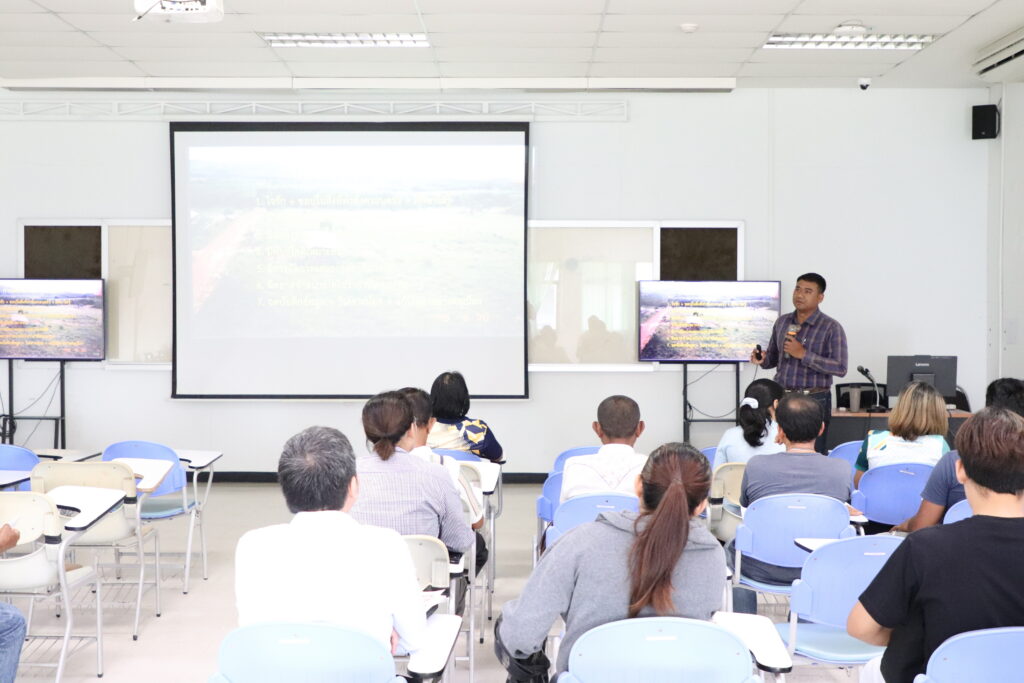
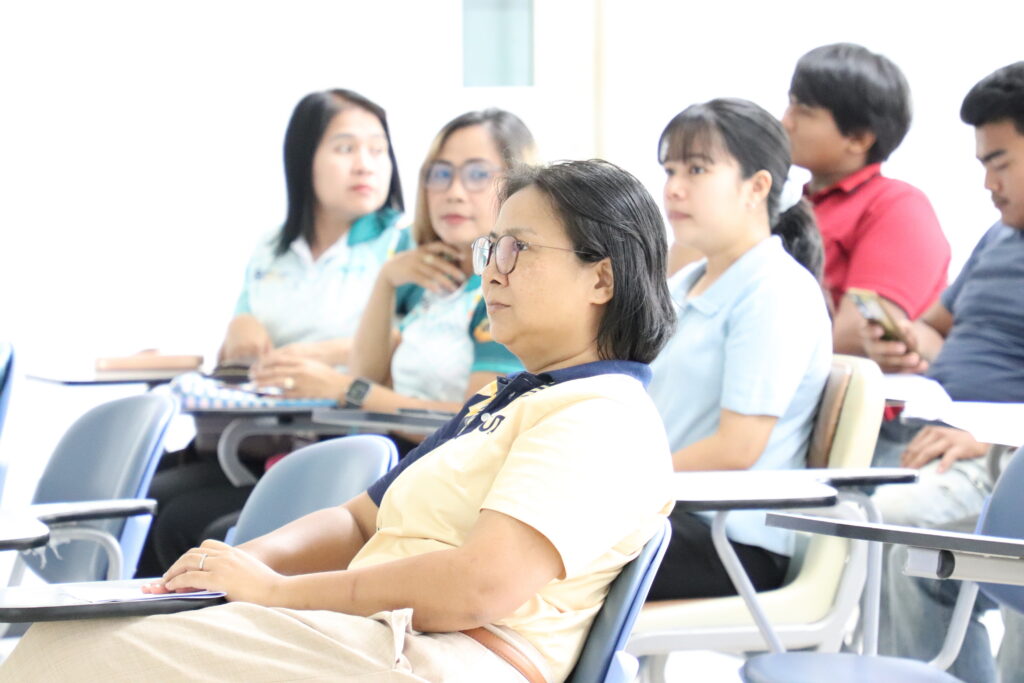

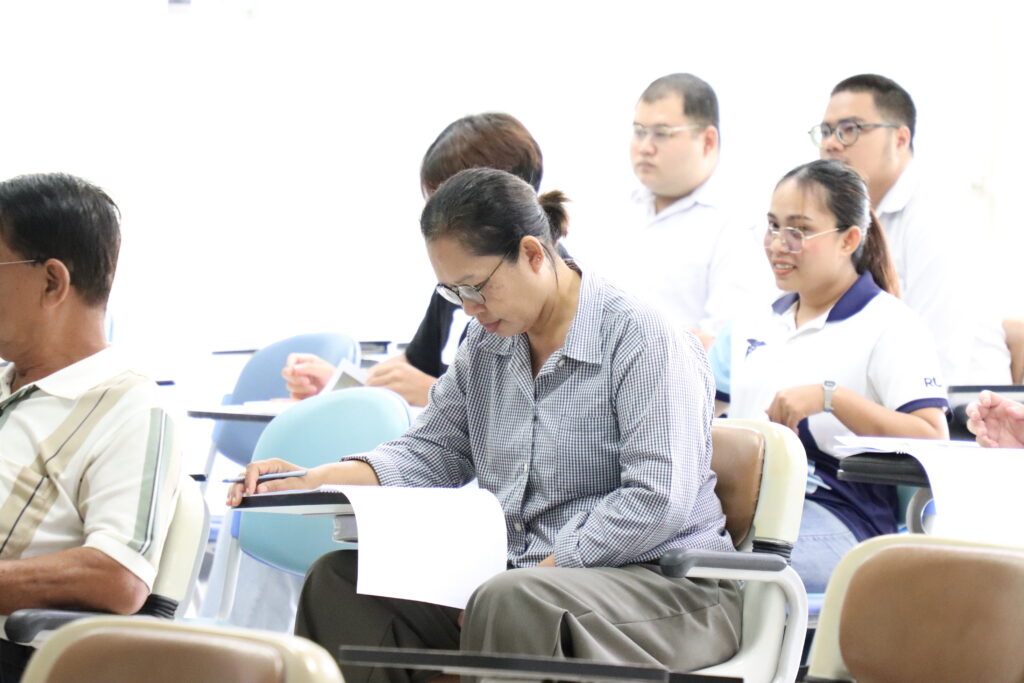
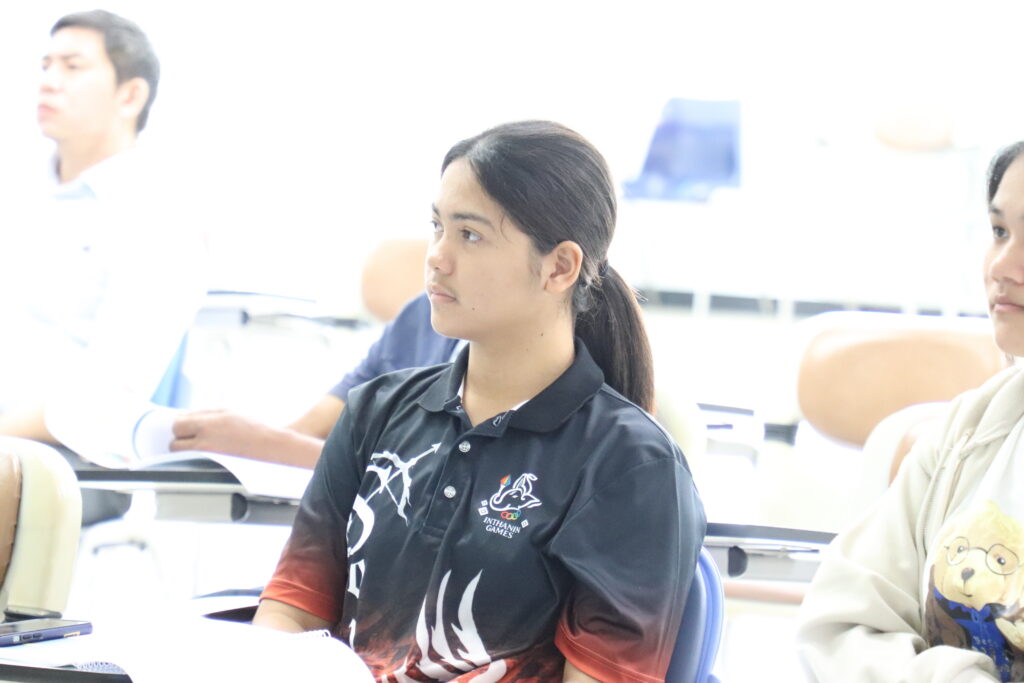



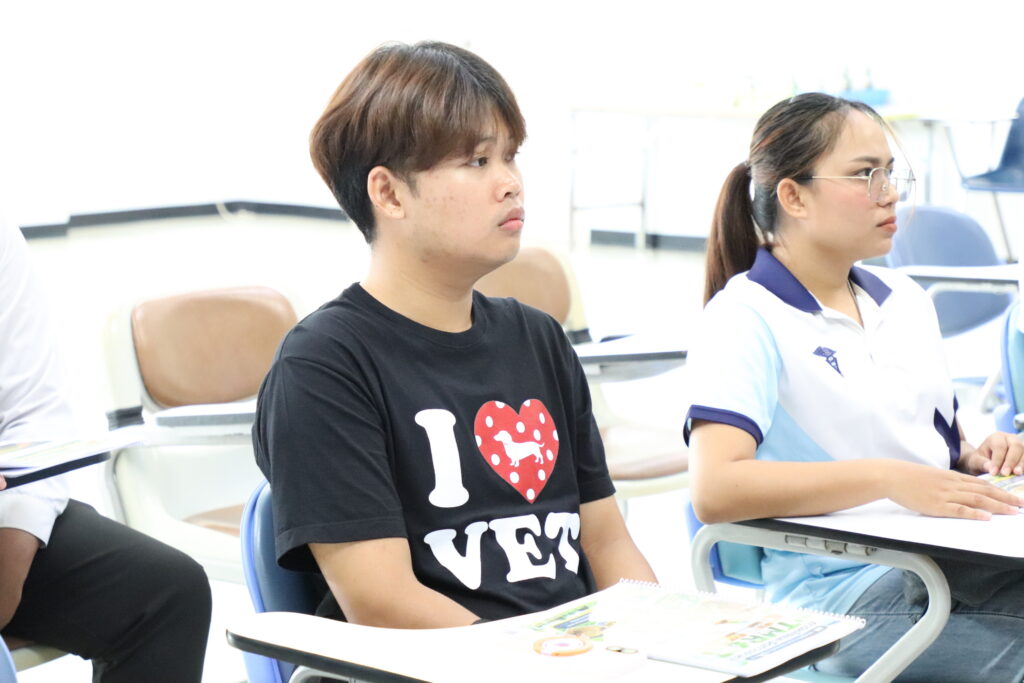
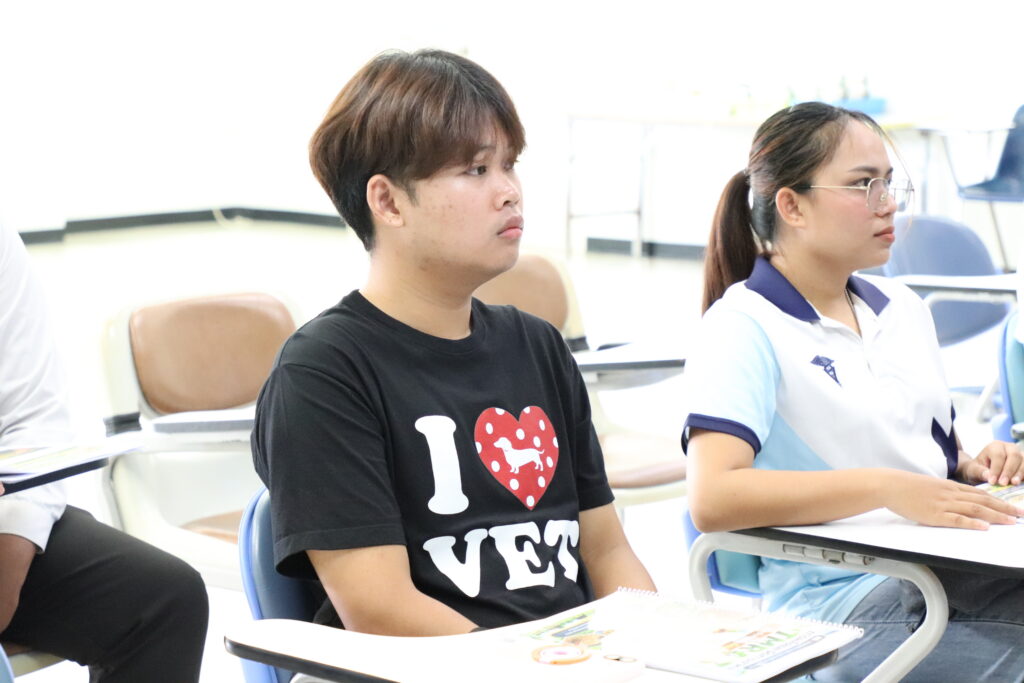

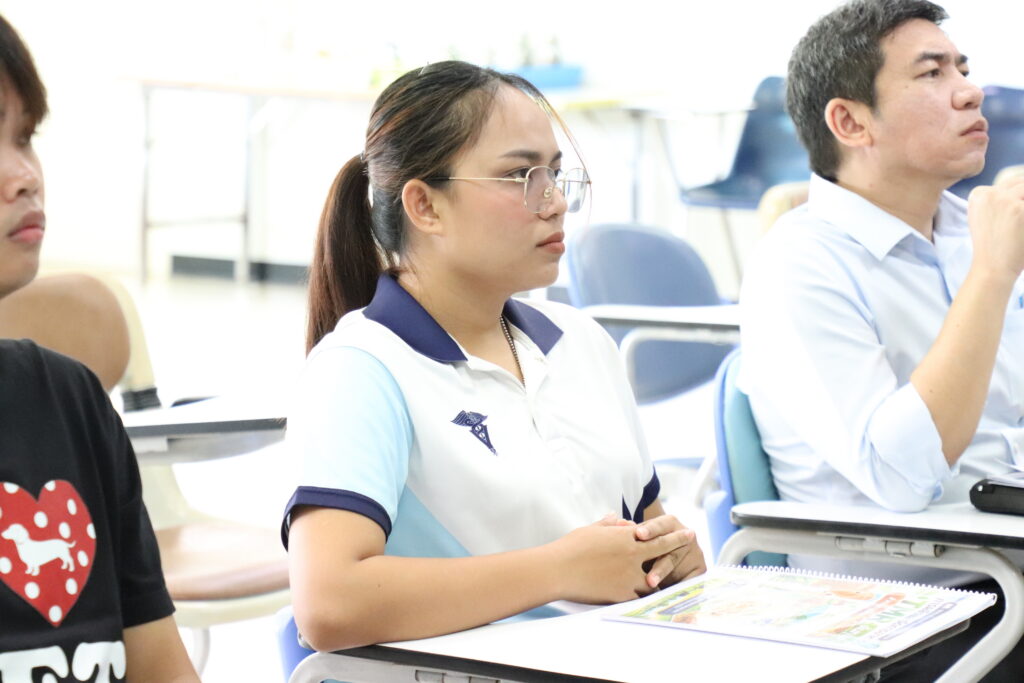

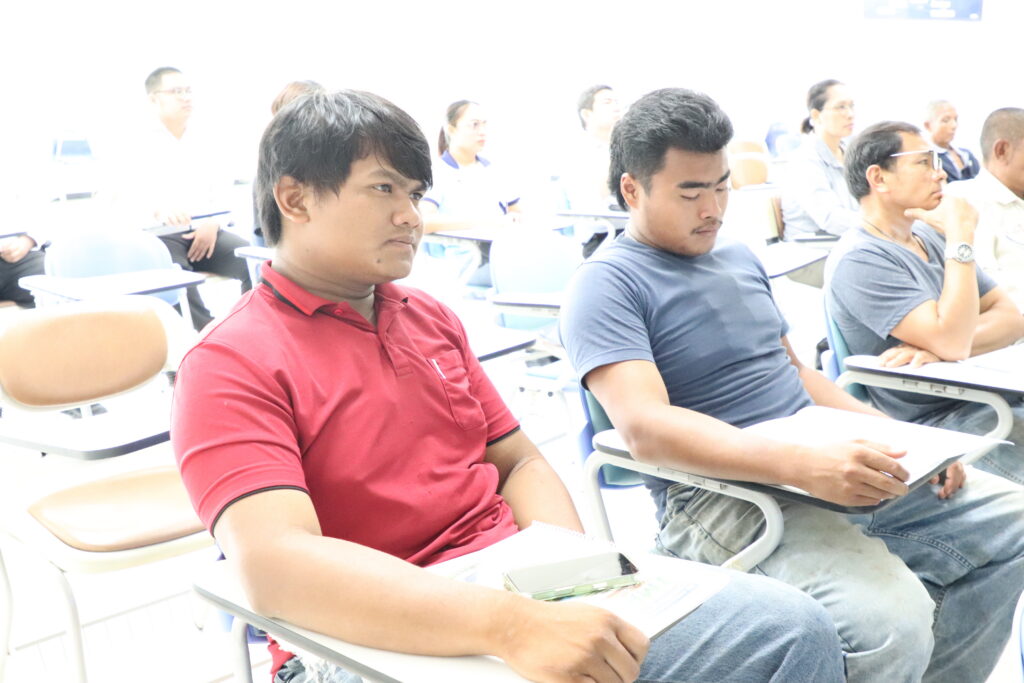
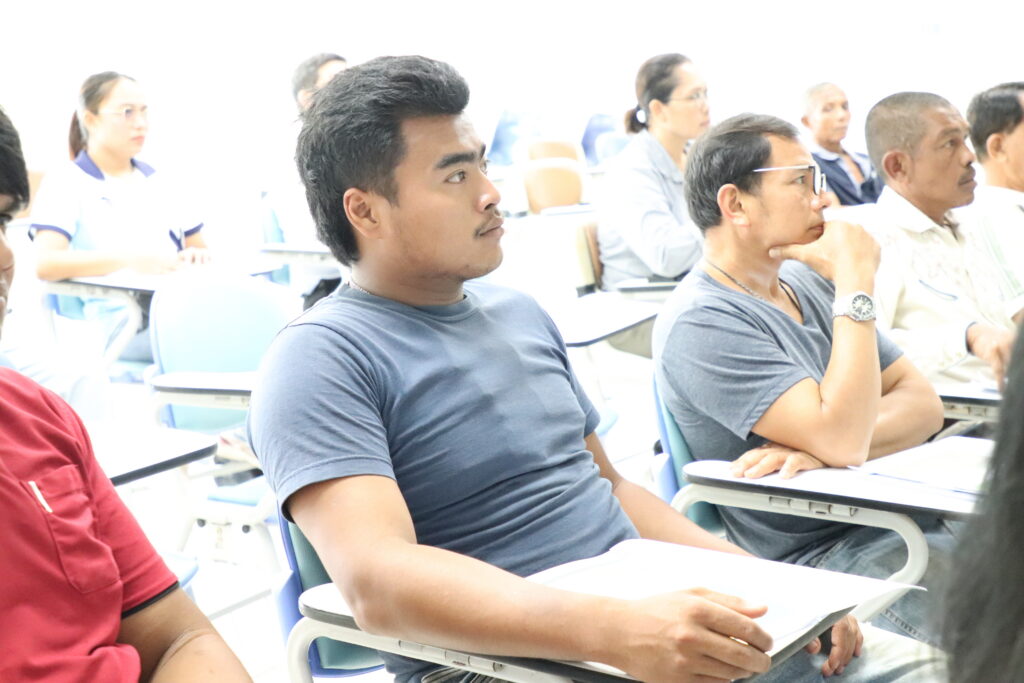
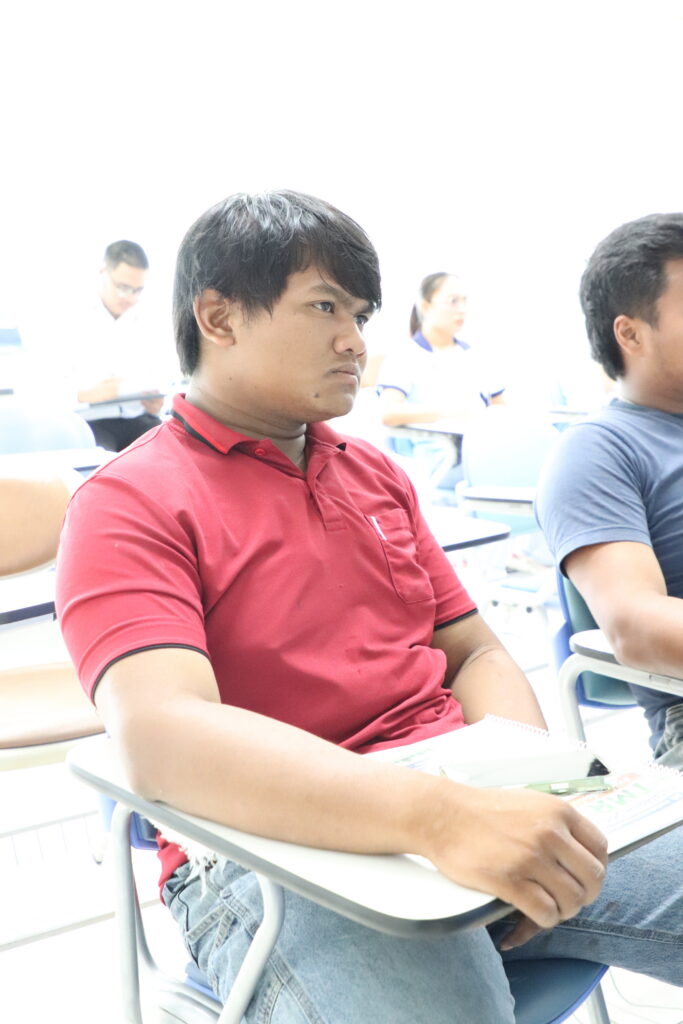
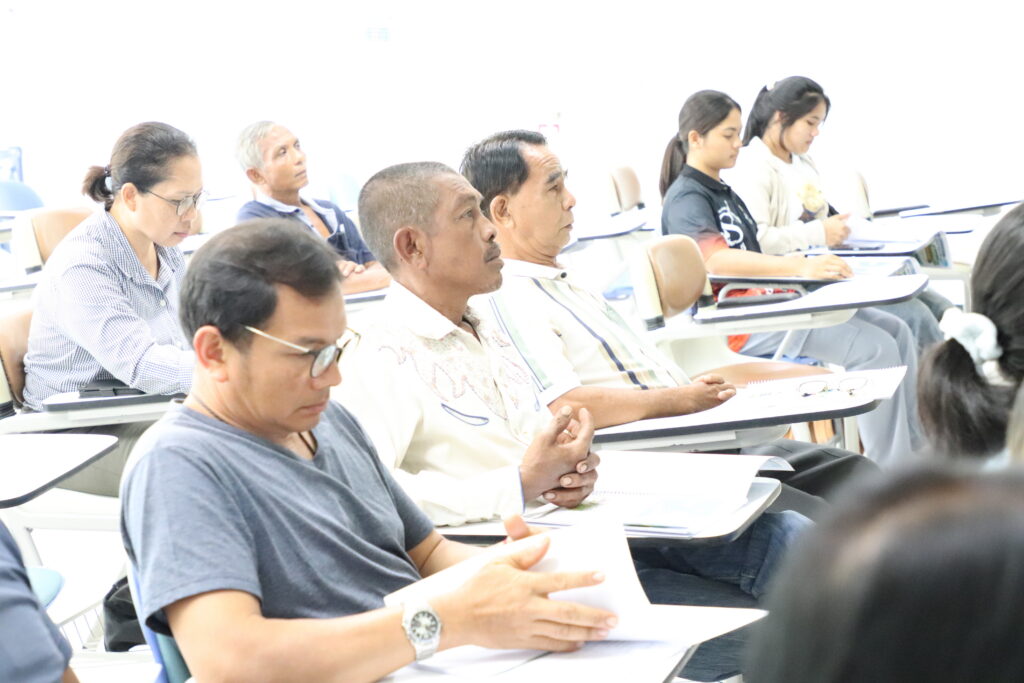
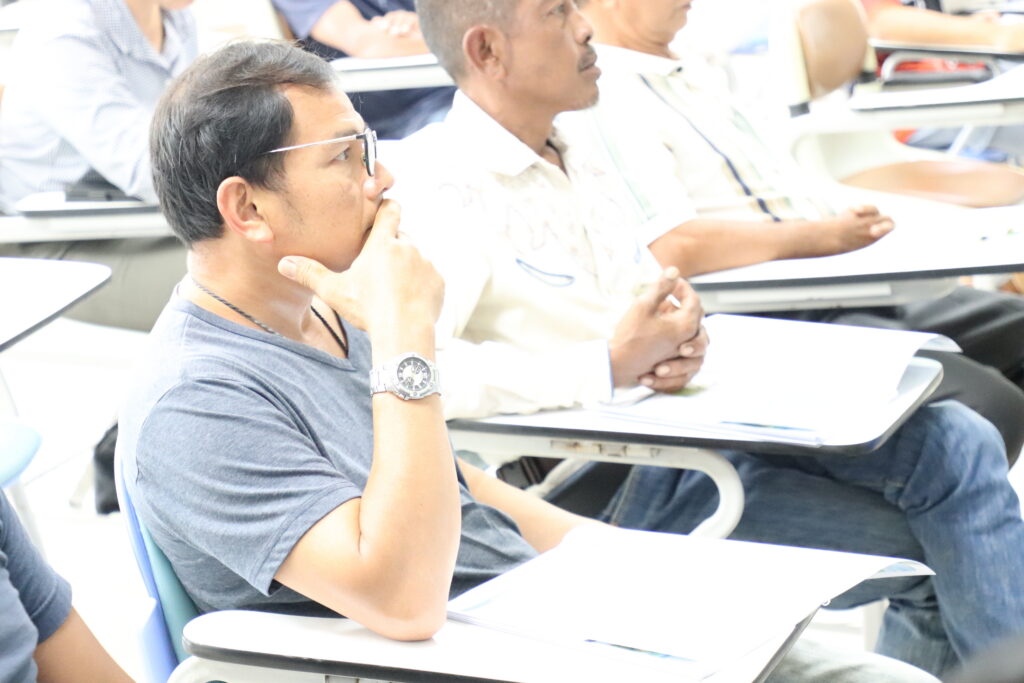
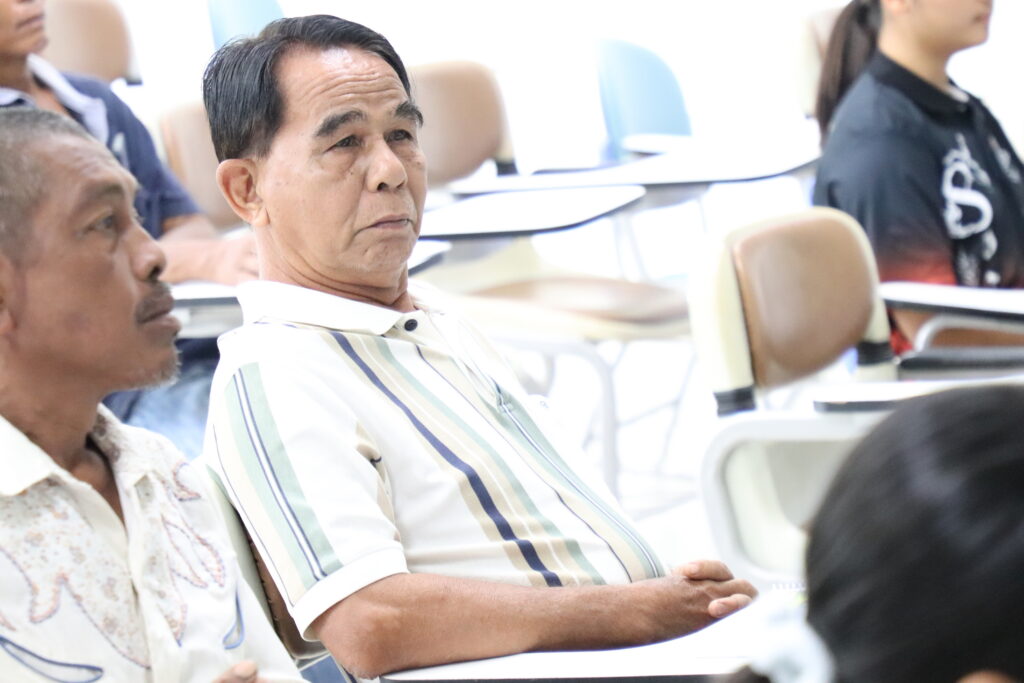
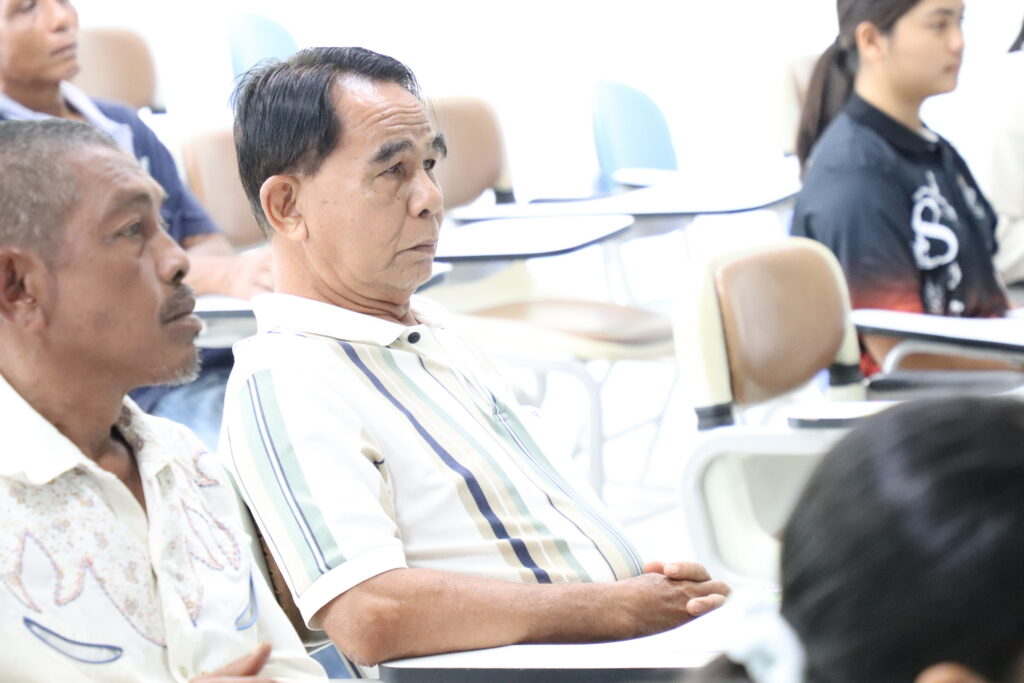
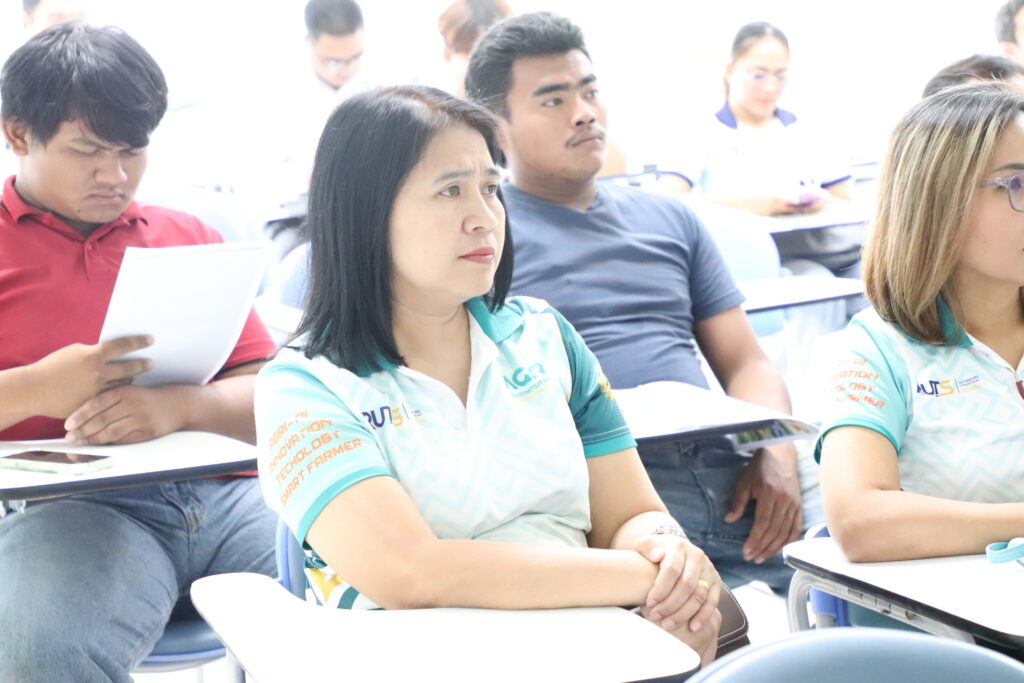
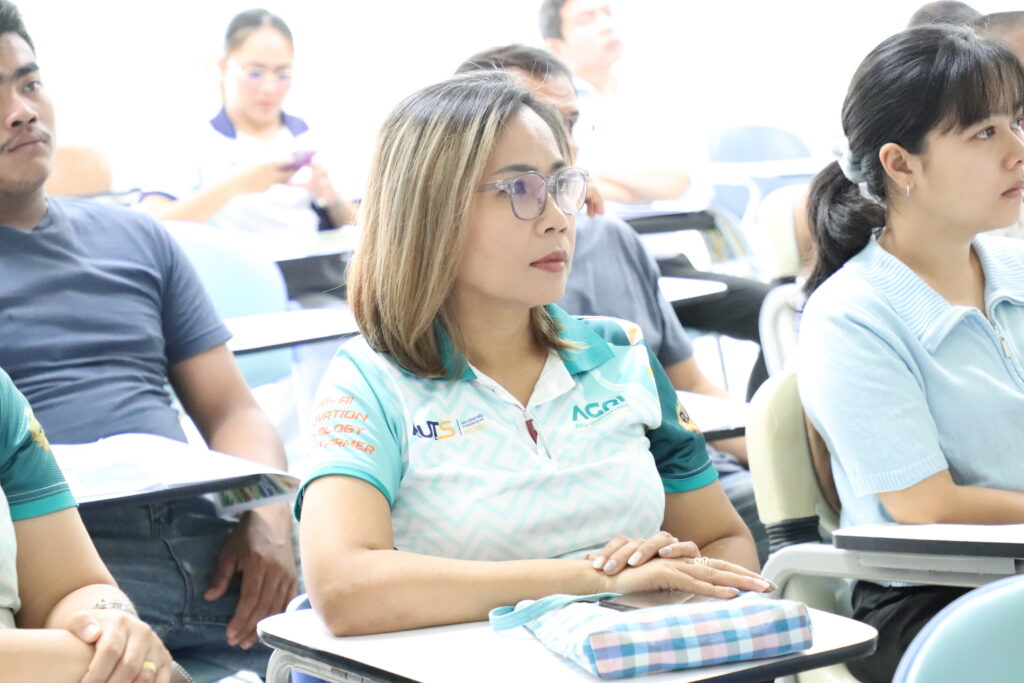
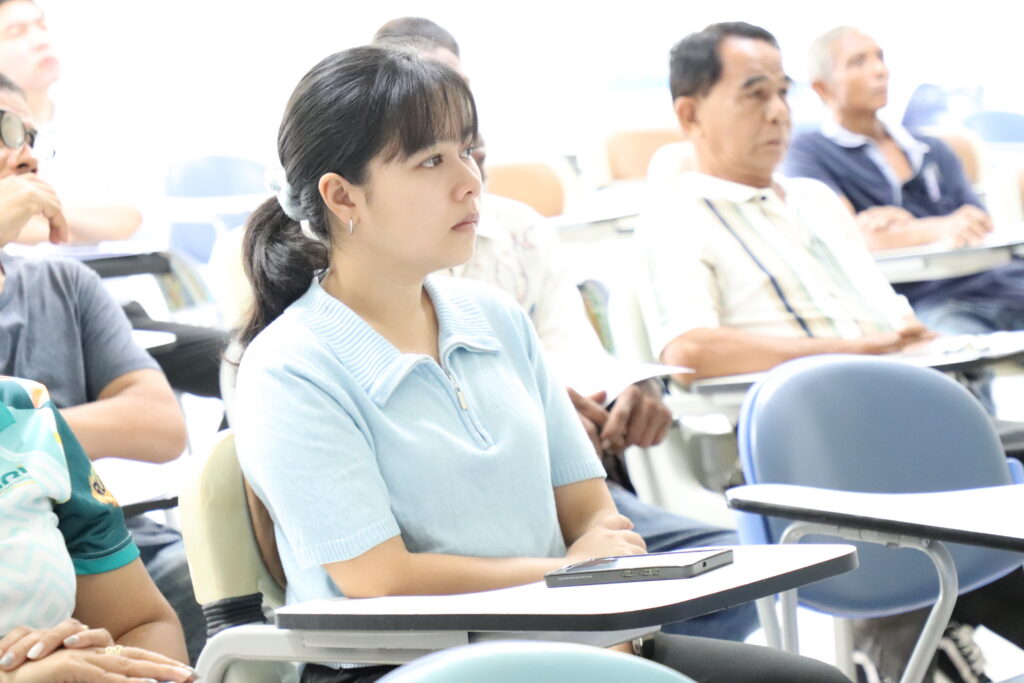
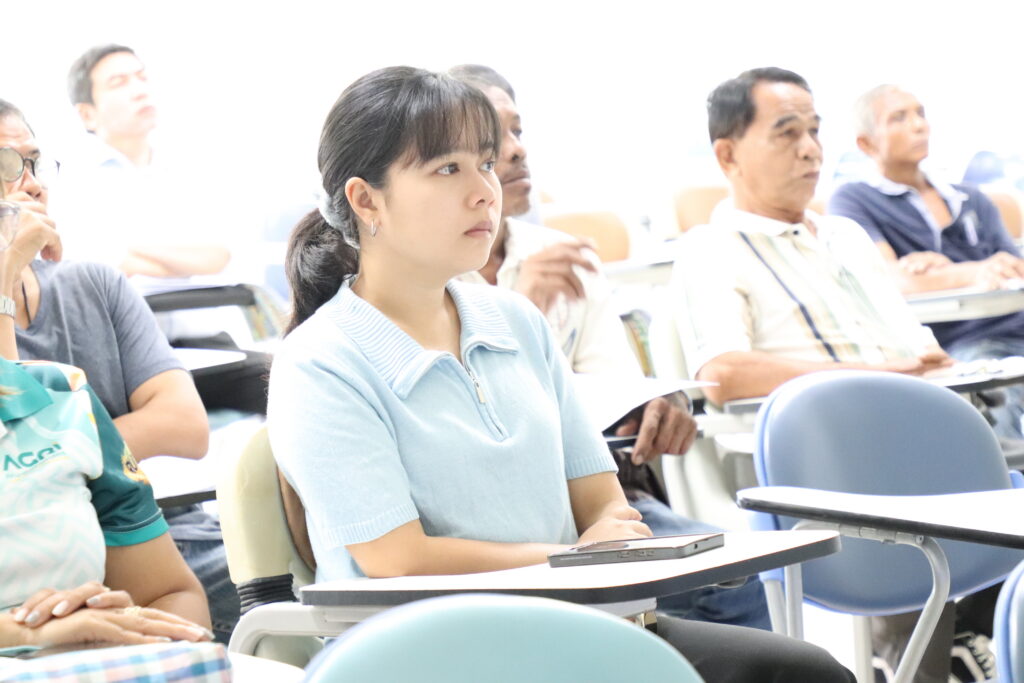
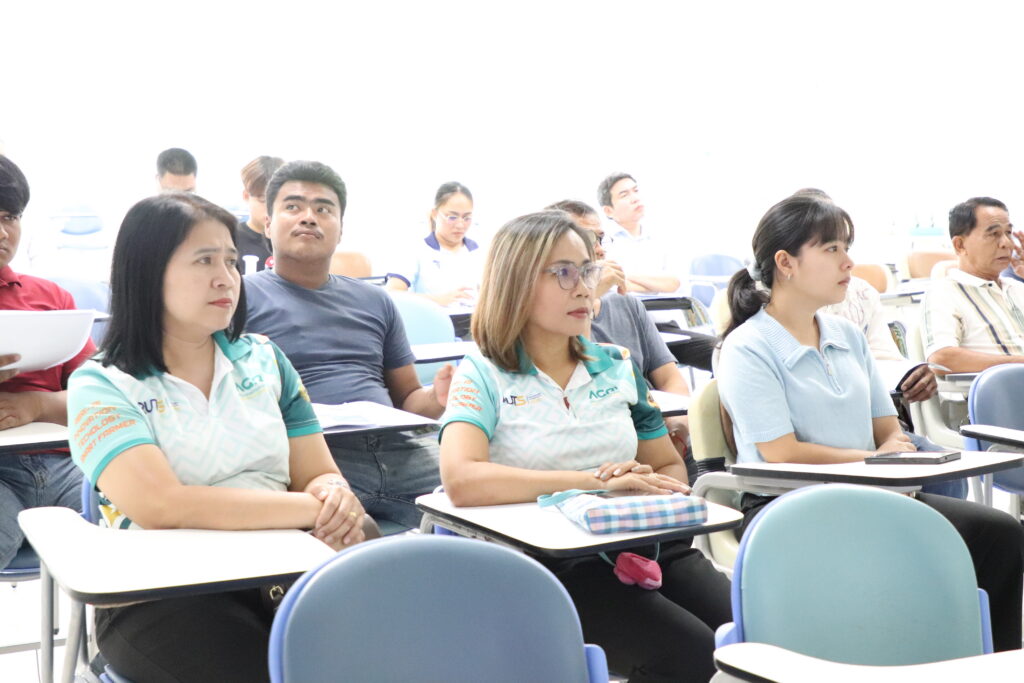
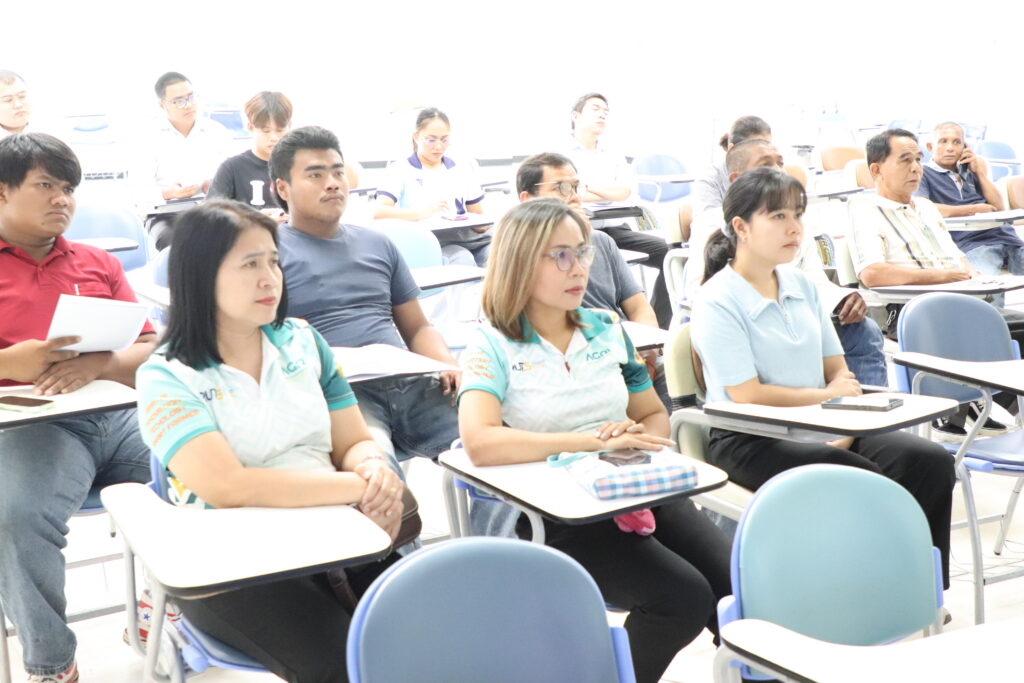
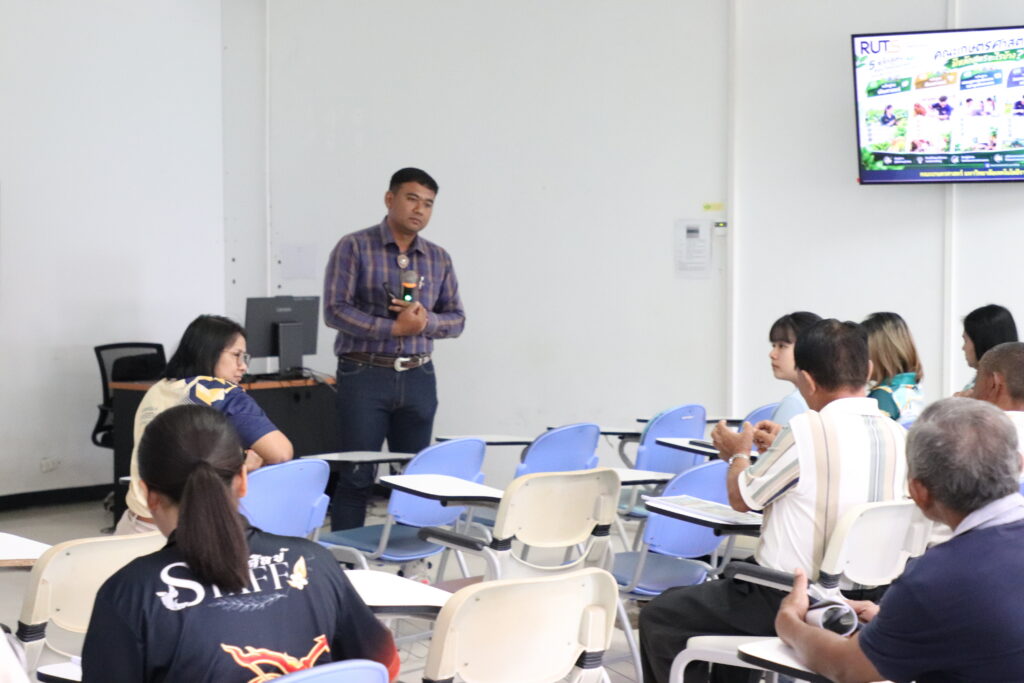
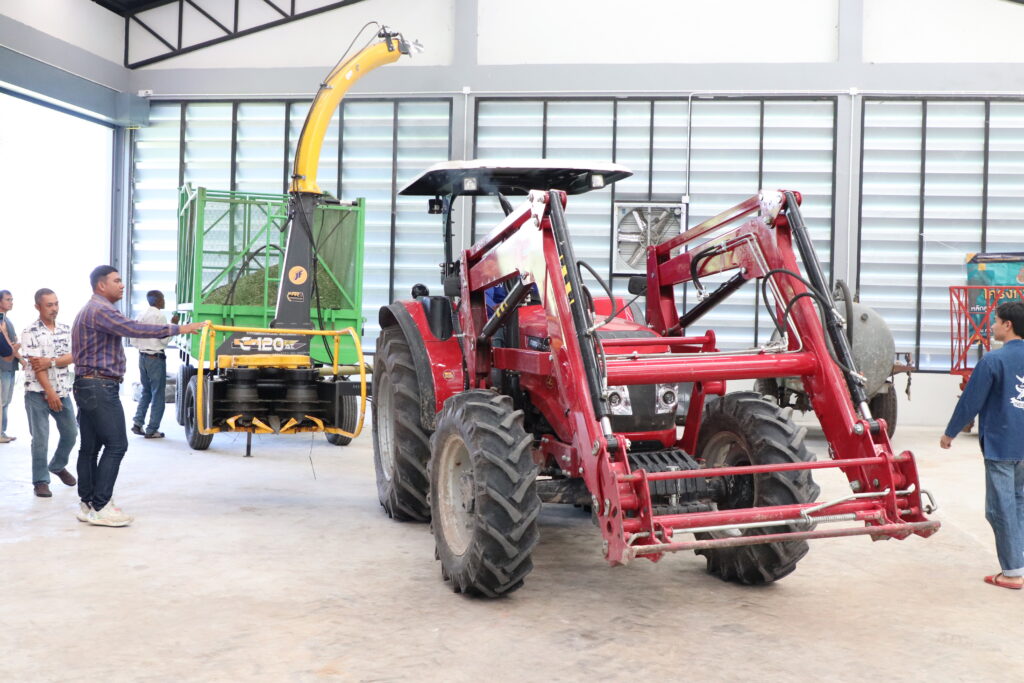
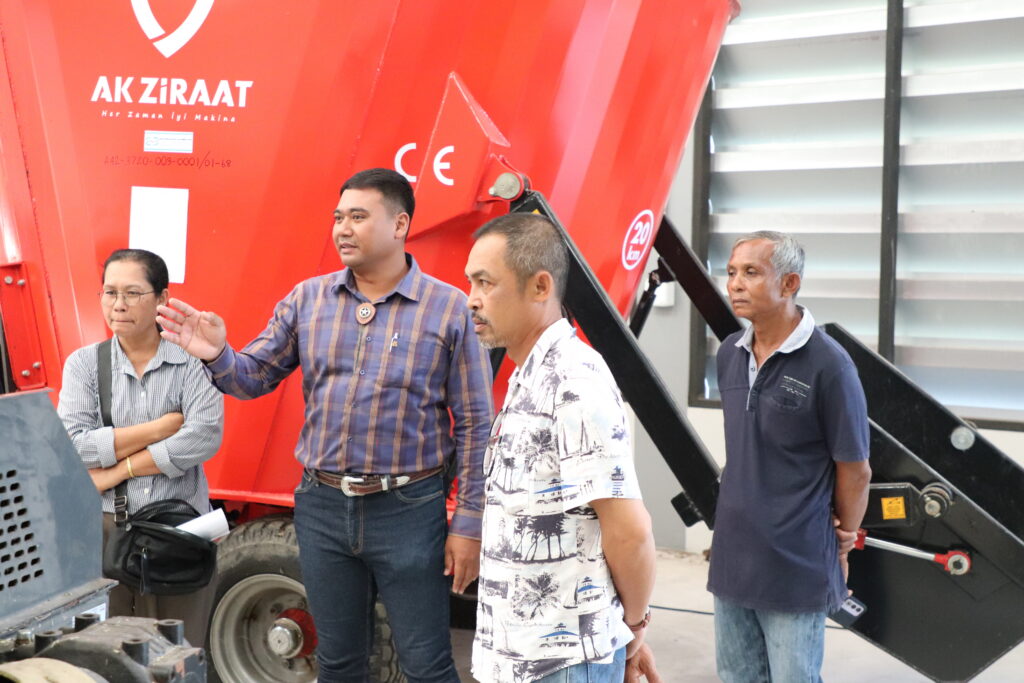
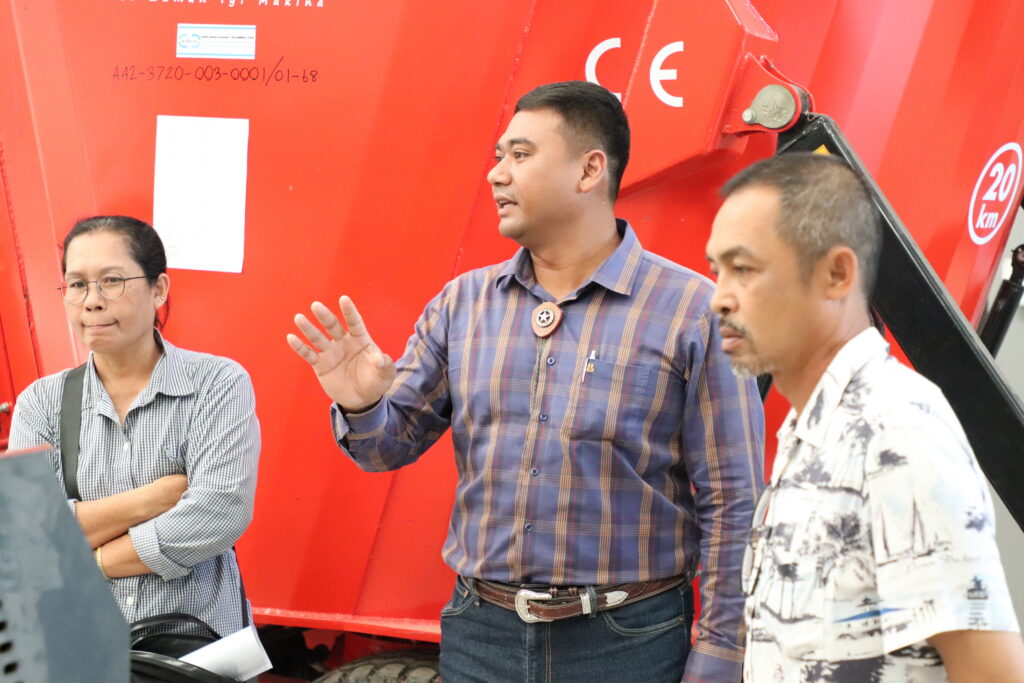
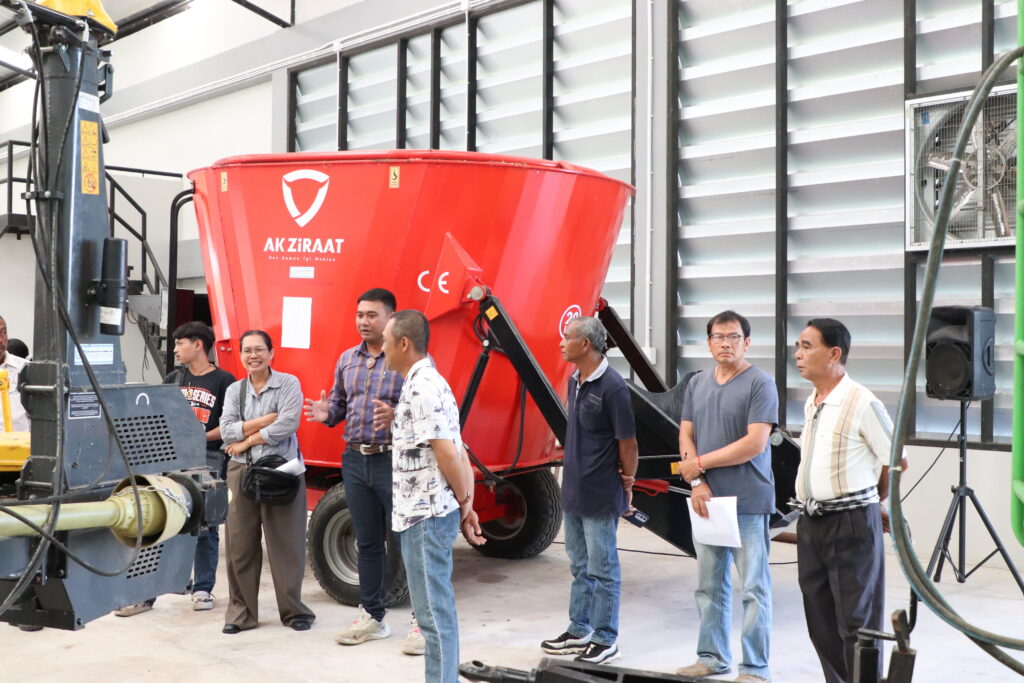
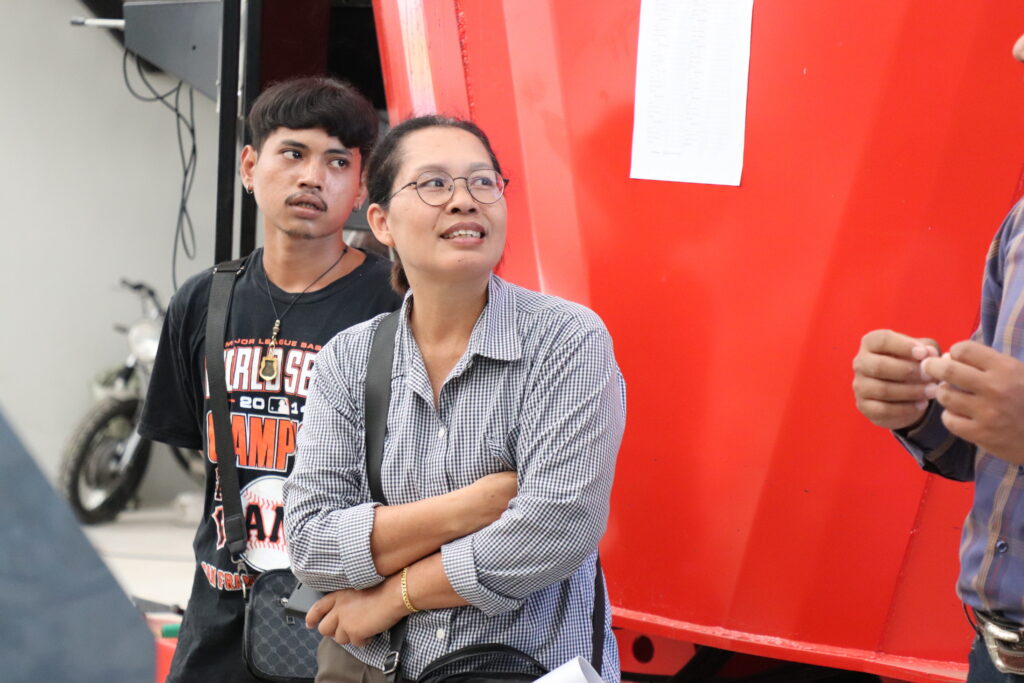
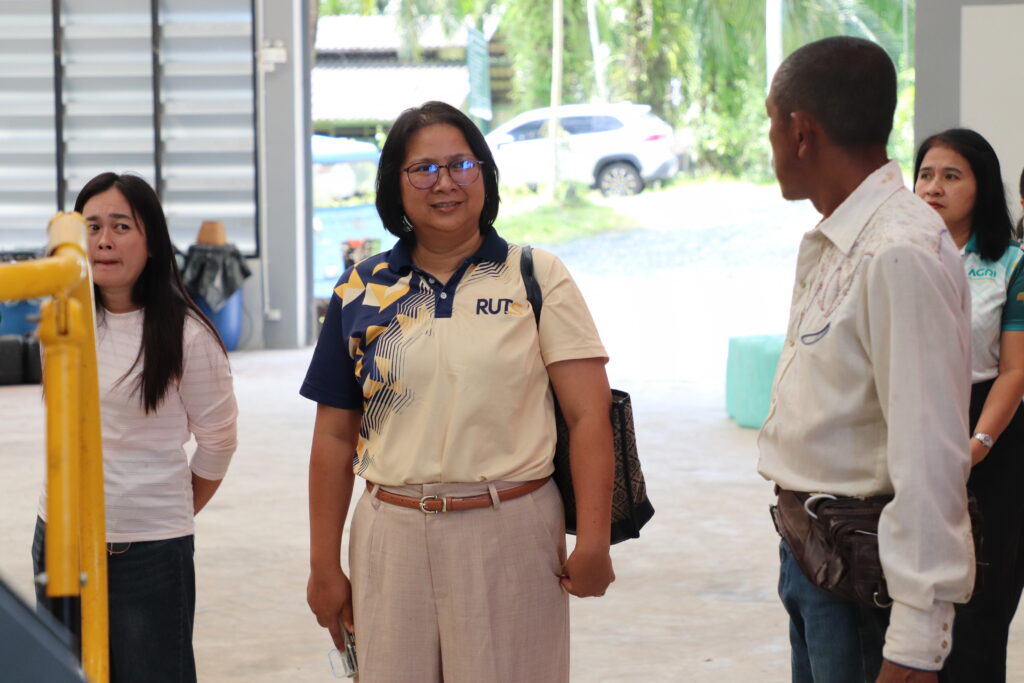
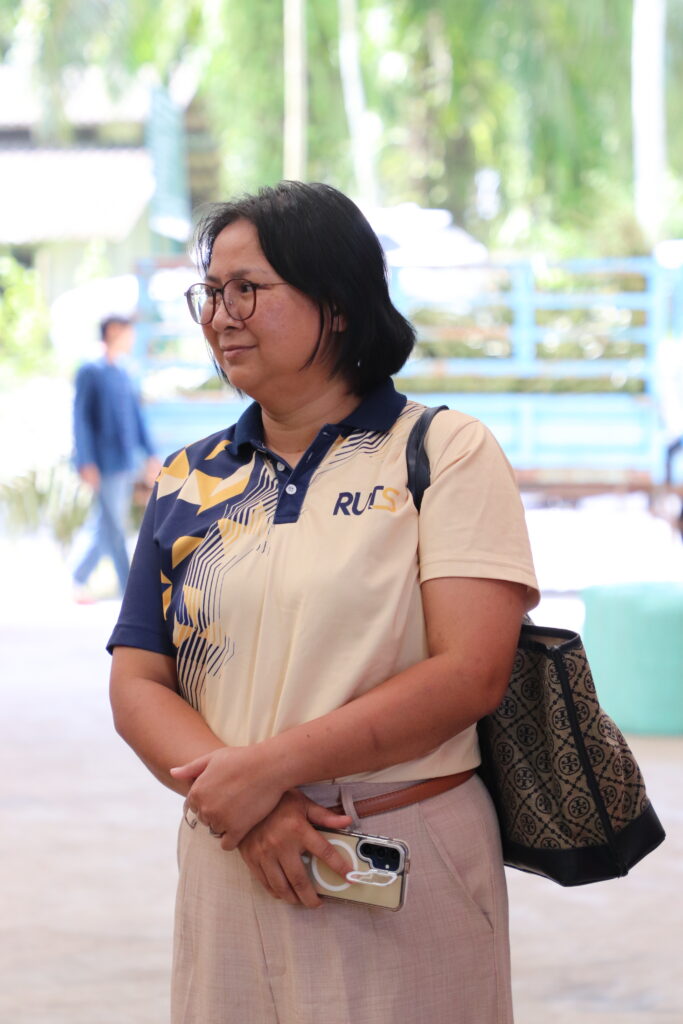


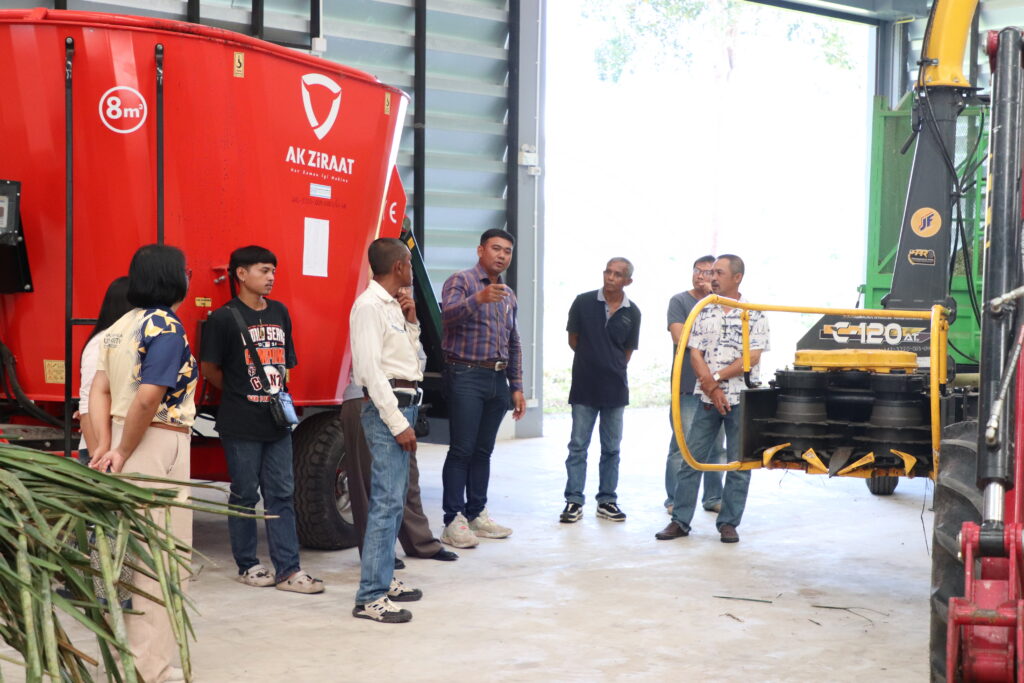
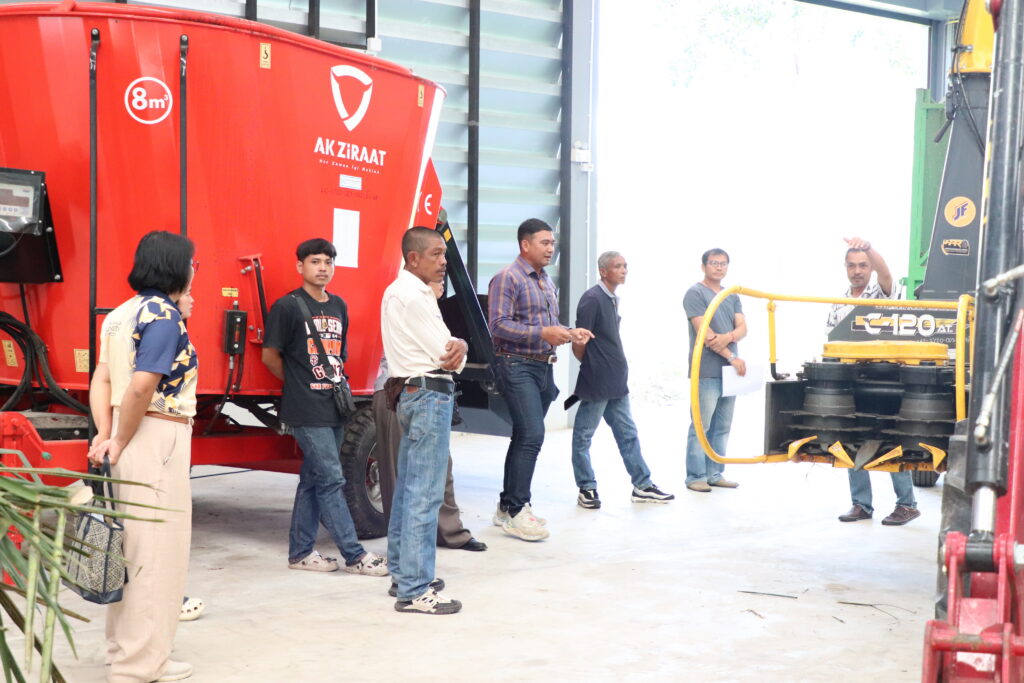
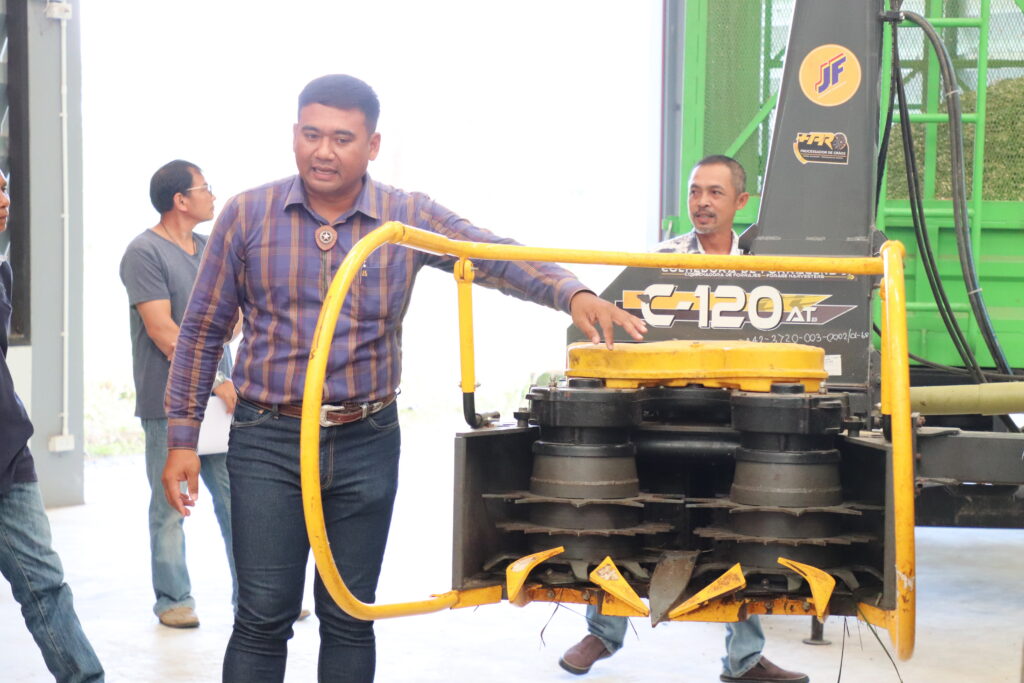
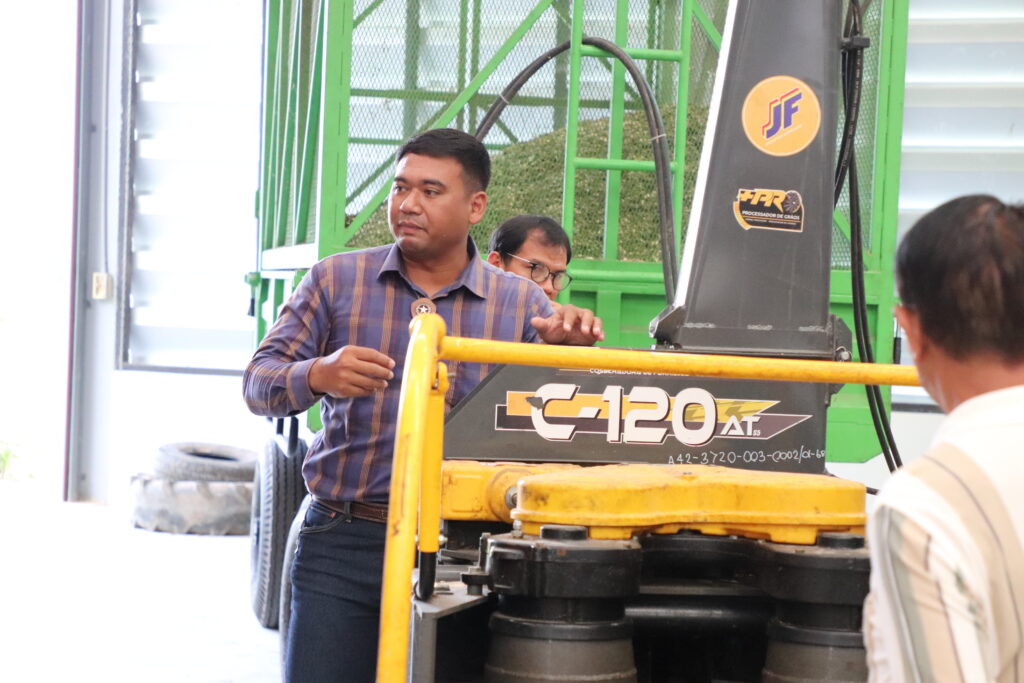
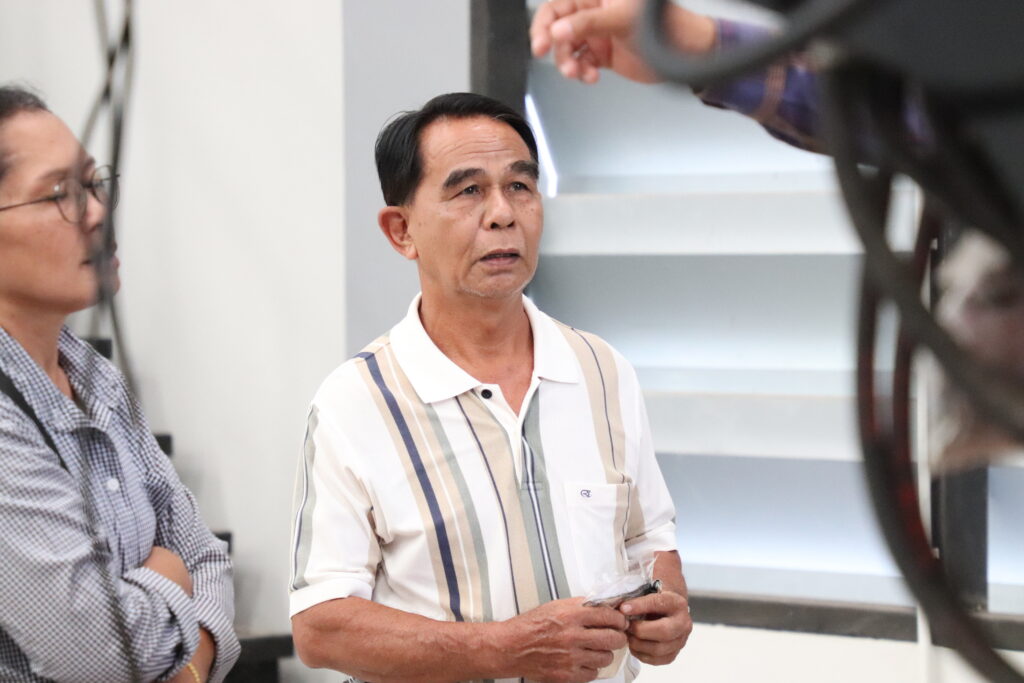
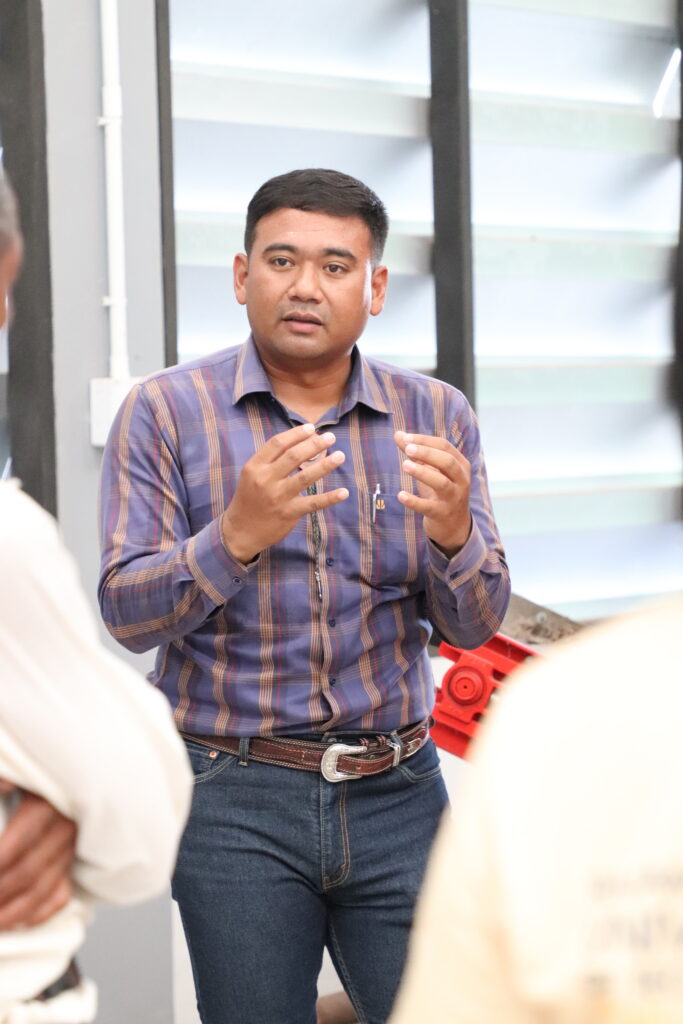
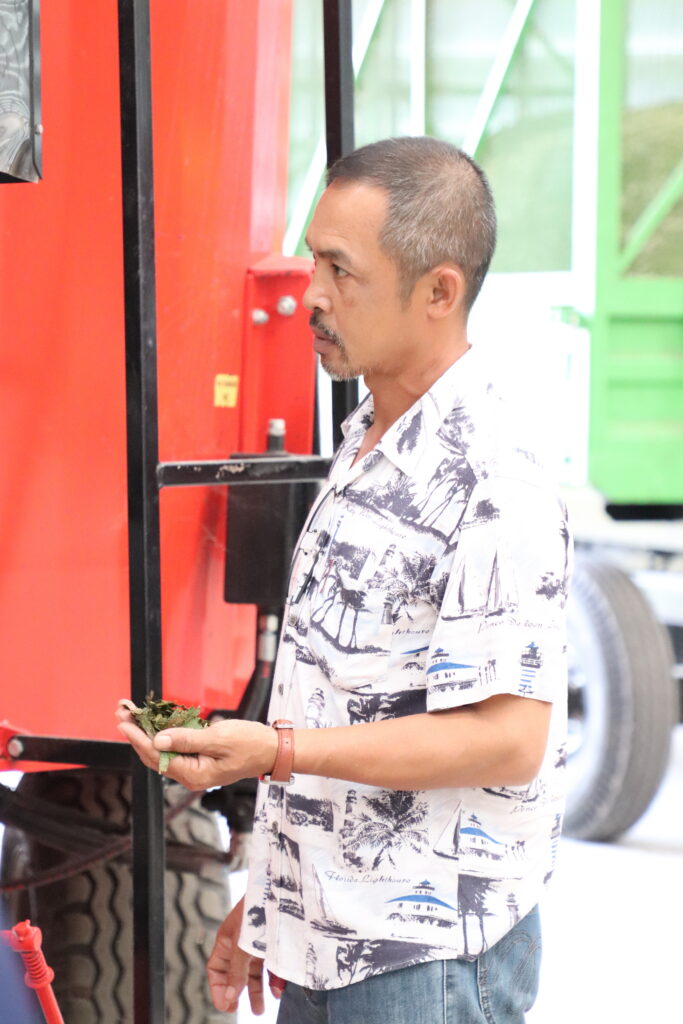
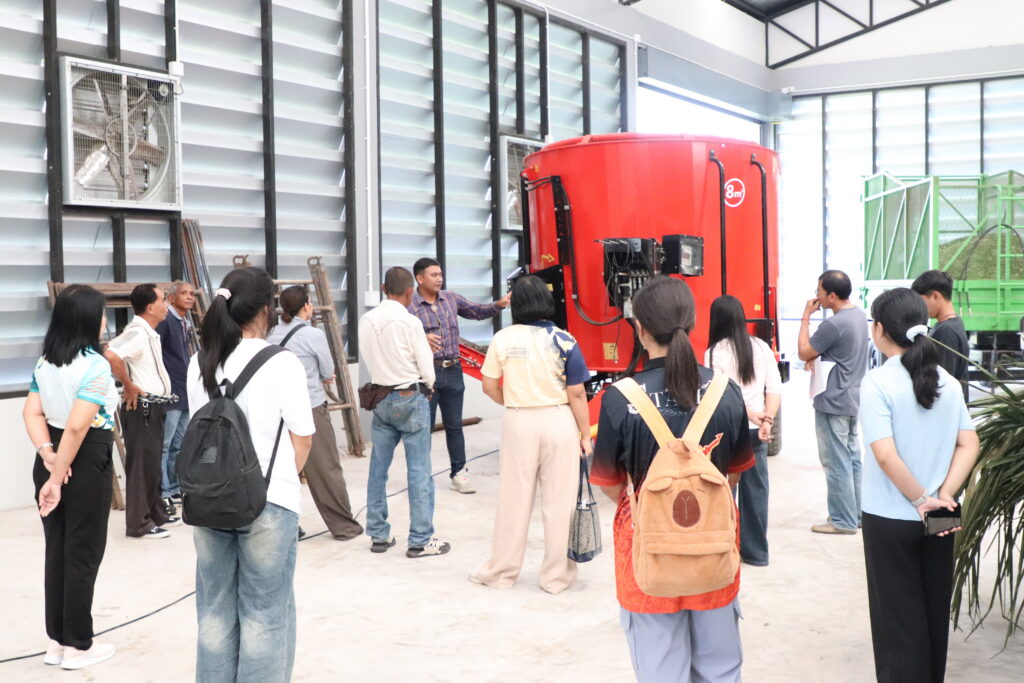
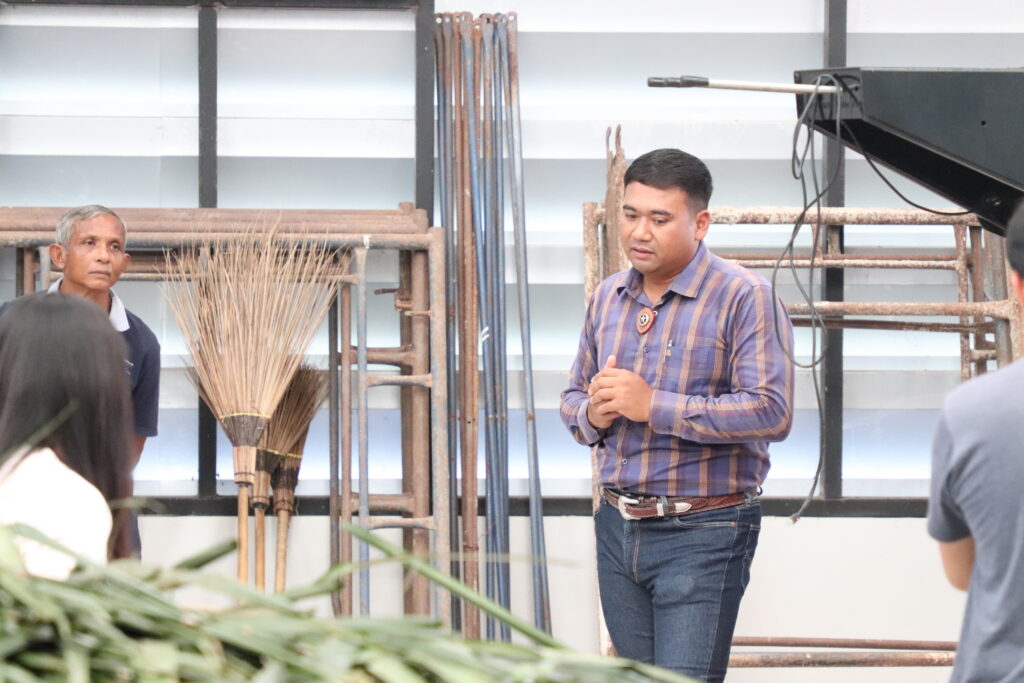
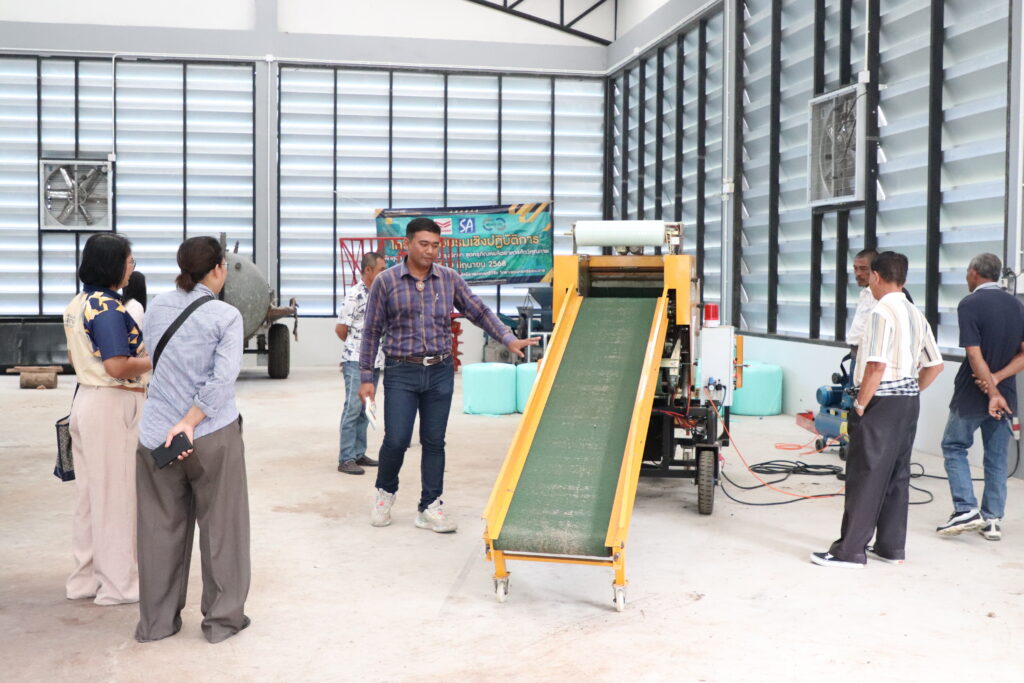
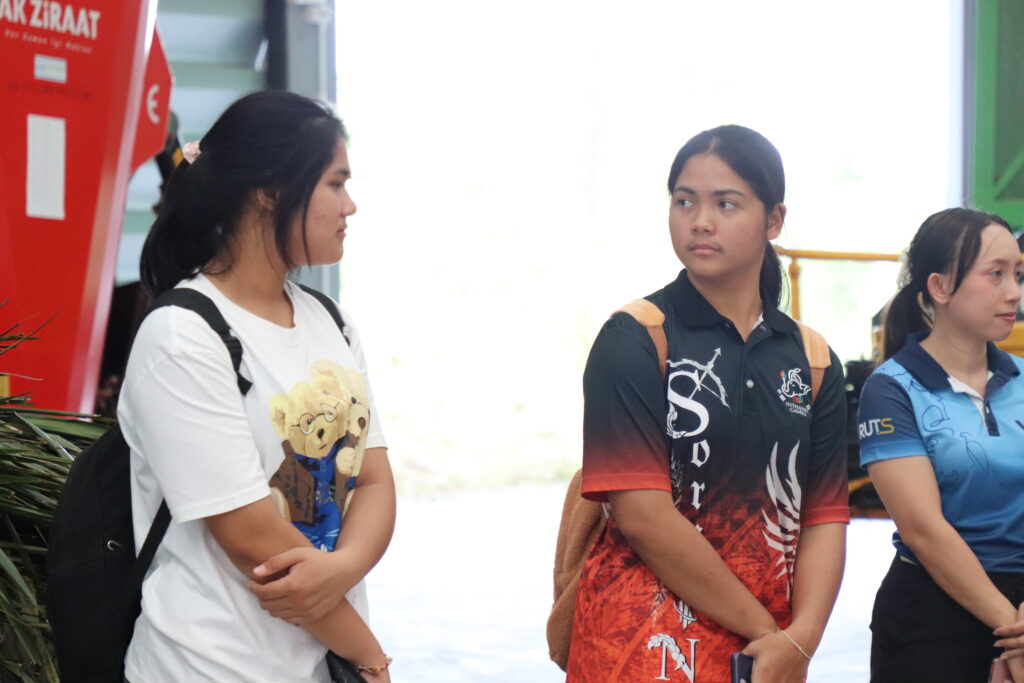
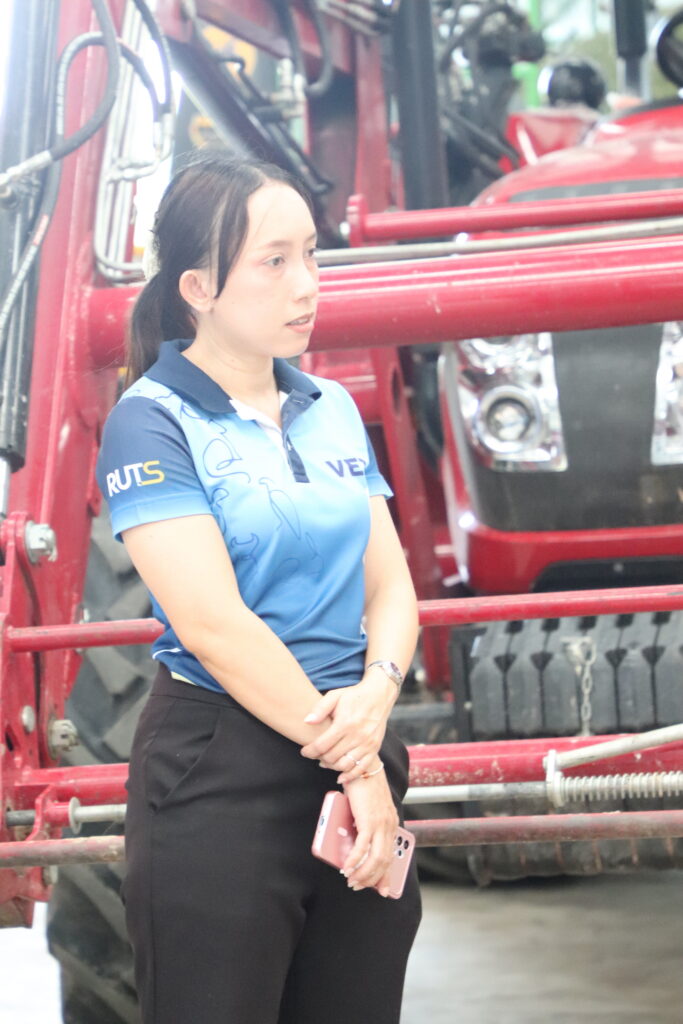
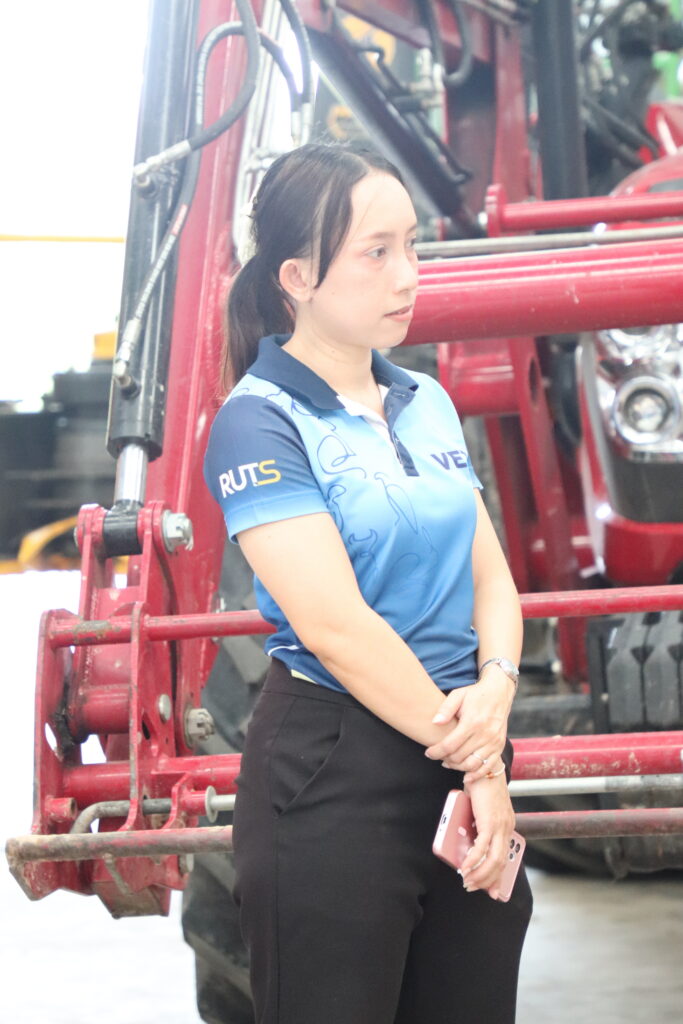
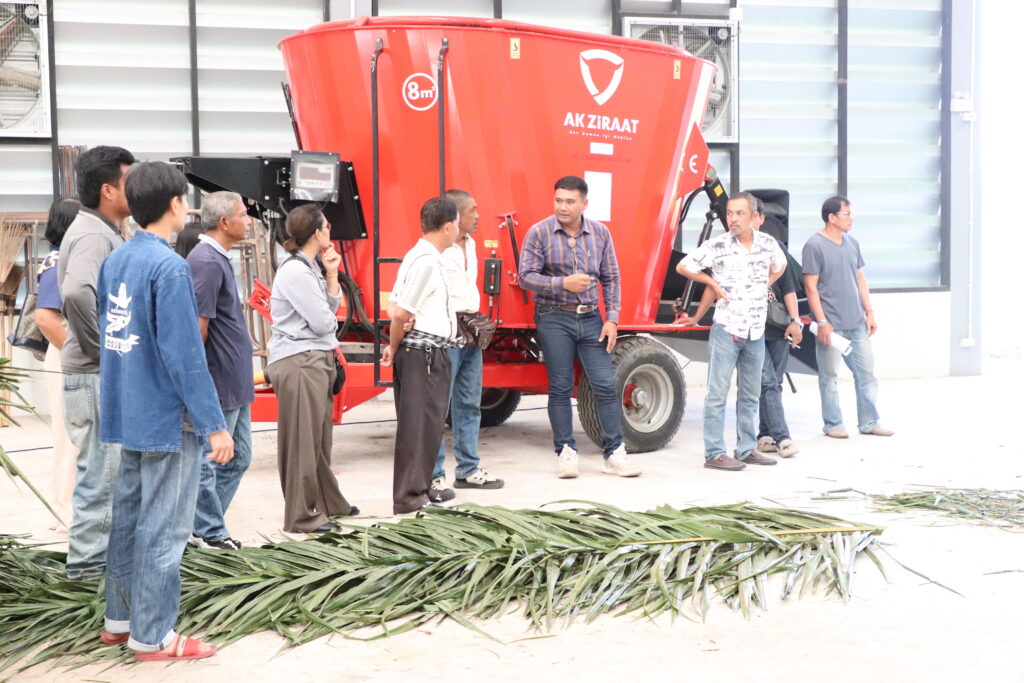
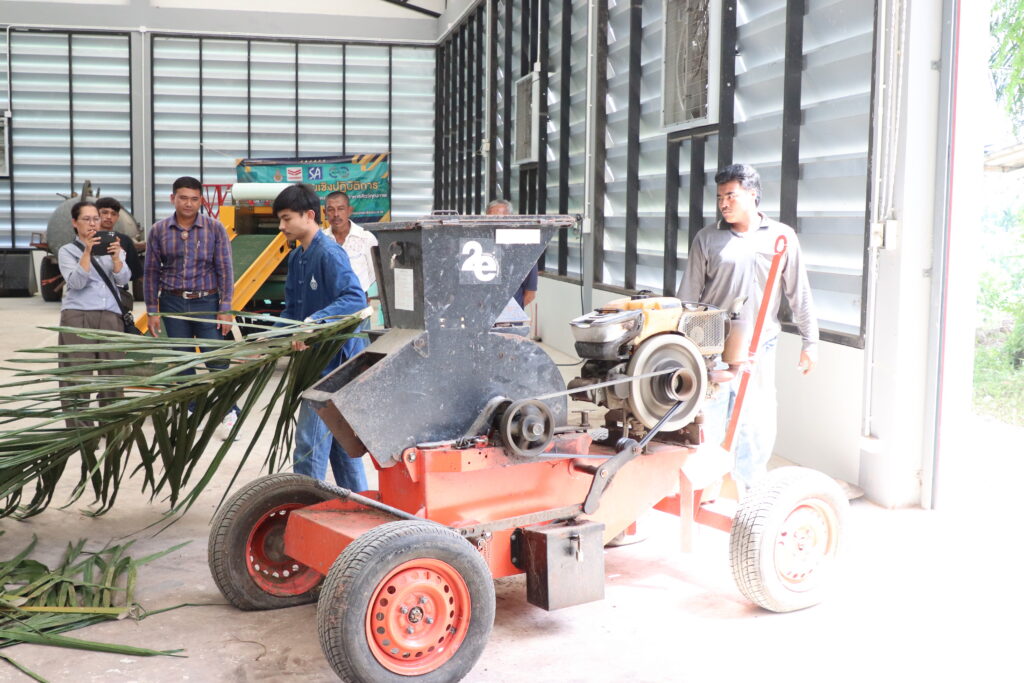
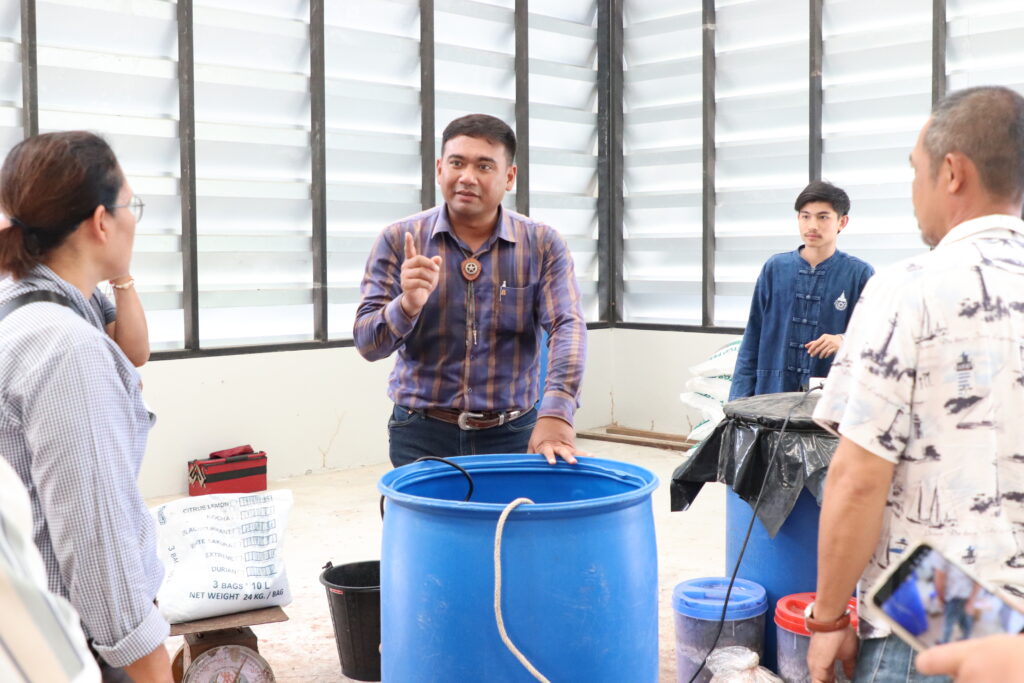
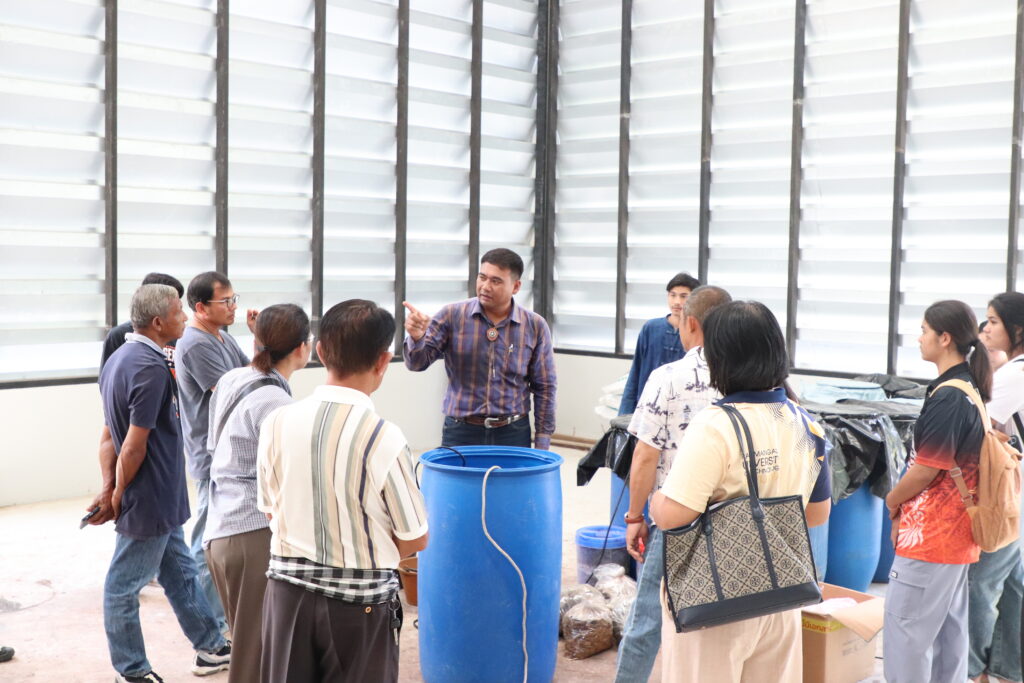
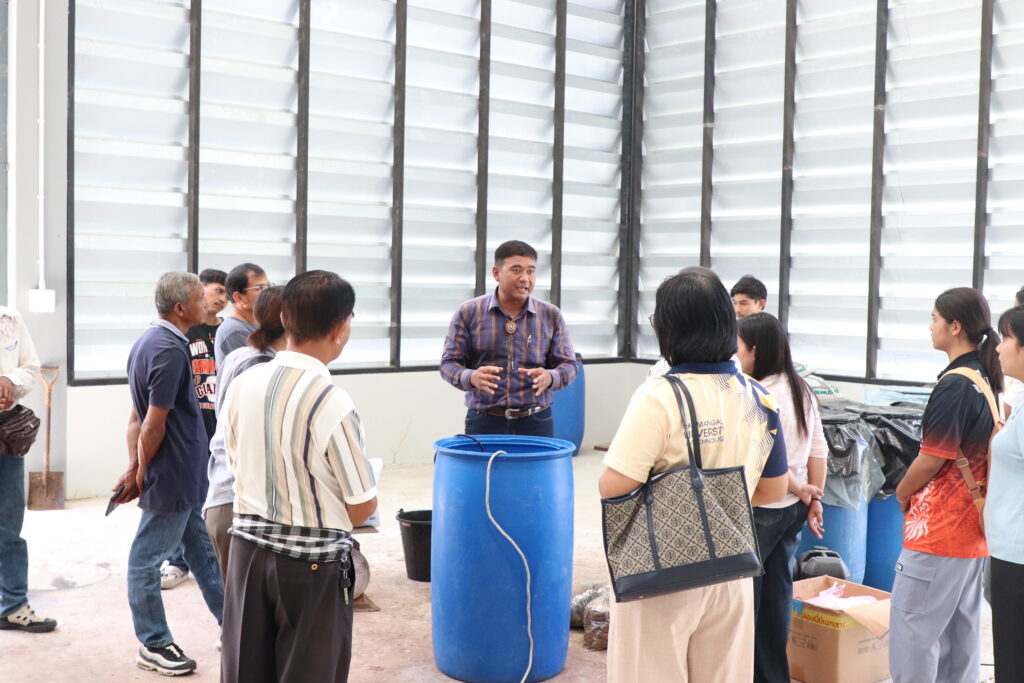

On November 6, 2026, the Faculty of Veterinary Medicine, Rajamangala University of Technology Srivijaya (RMUTSV), organized a hands-on training program entitled “Low-Cost TMR Feed Production and Management for Sustainable Beef Cattle Farming.” The training was conducted under the project “Enhancing Beef Cattle Health and Production Efficiency in the Tapi River Basin through Innovation for Food Security and Community Economic Development.”
The project received financial support from the Office of the Permanent Secretary, Ministry of Higher Education, Science, Research and Innovation (MHESI), under the Young Smart Volunteer Project for Fiscal Year 2026.
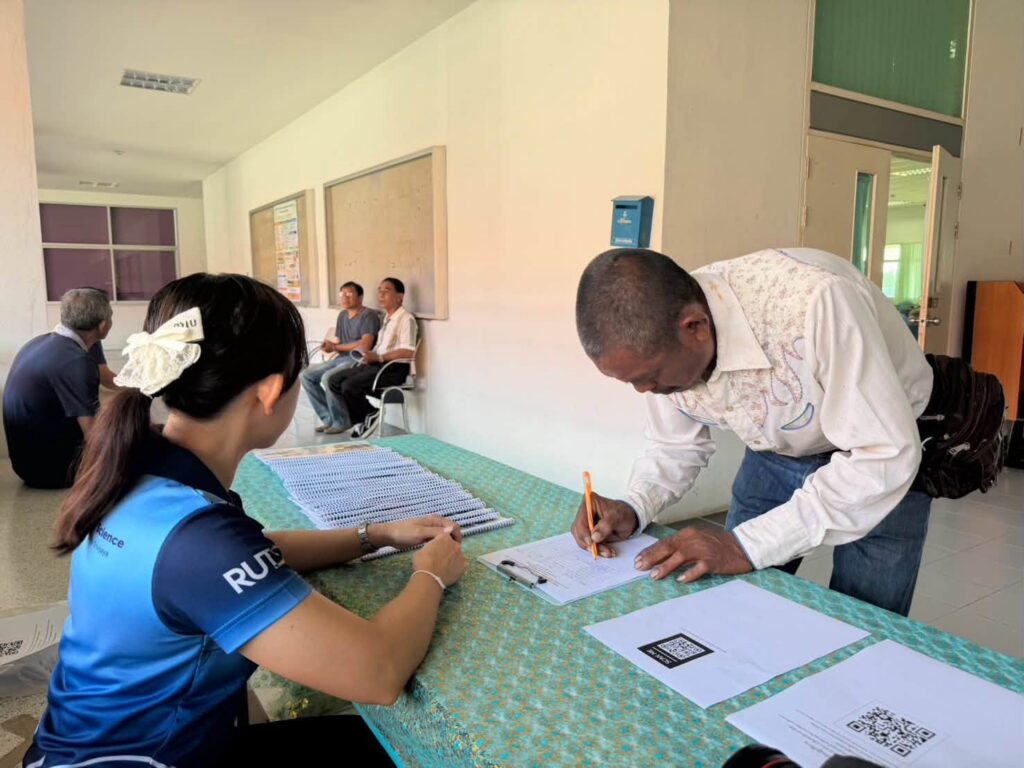
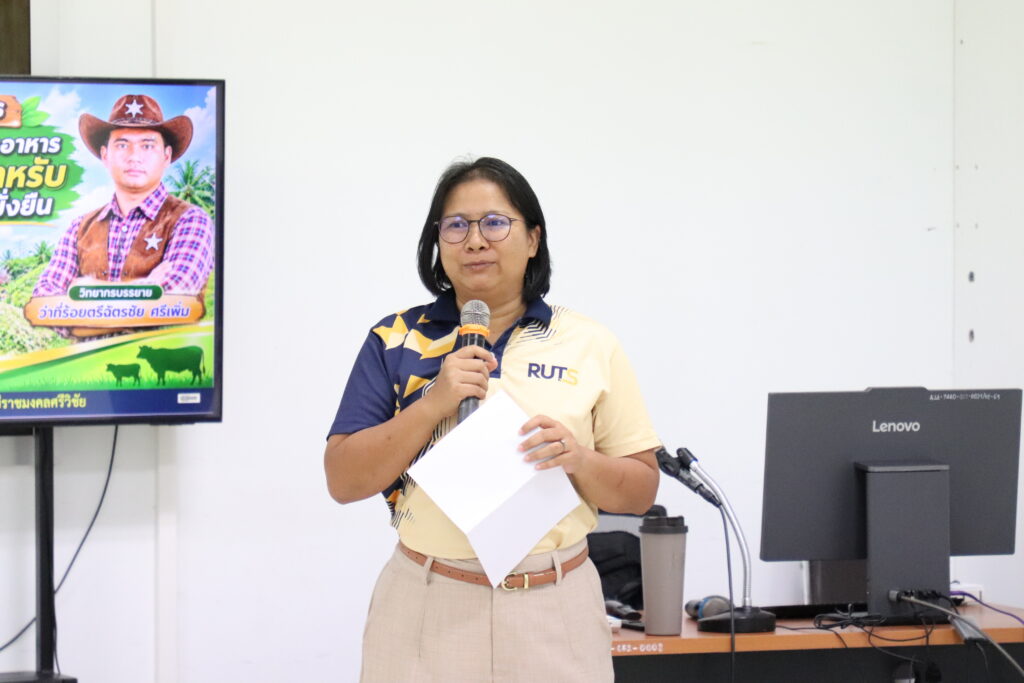
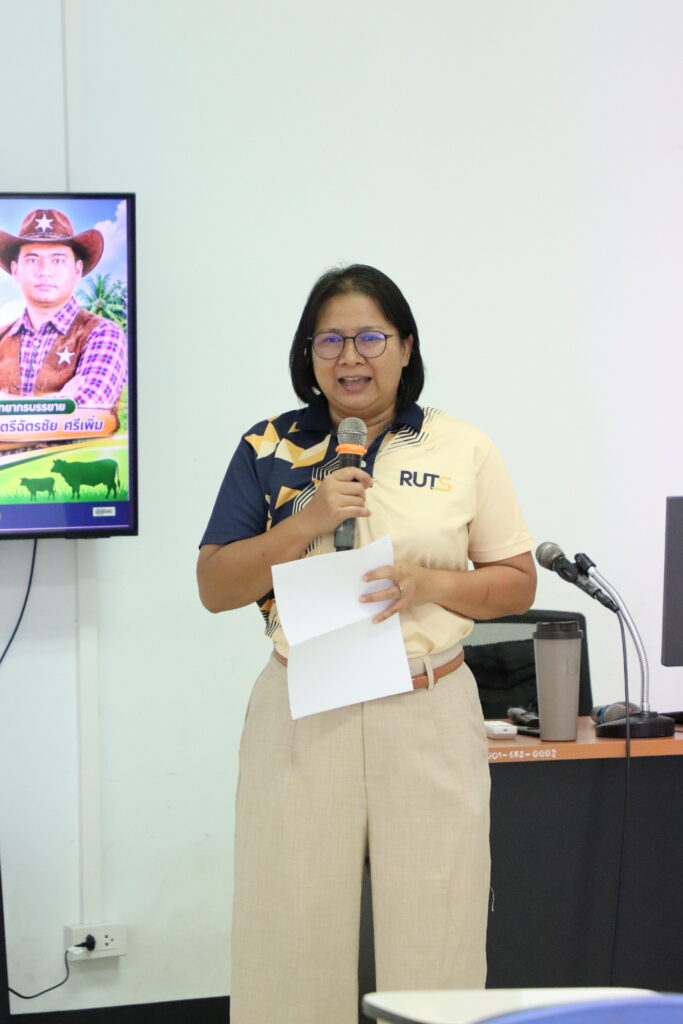
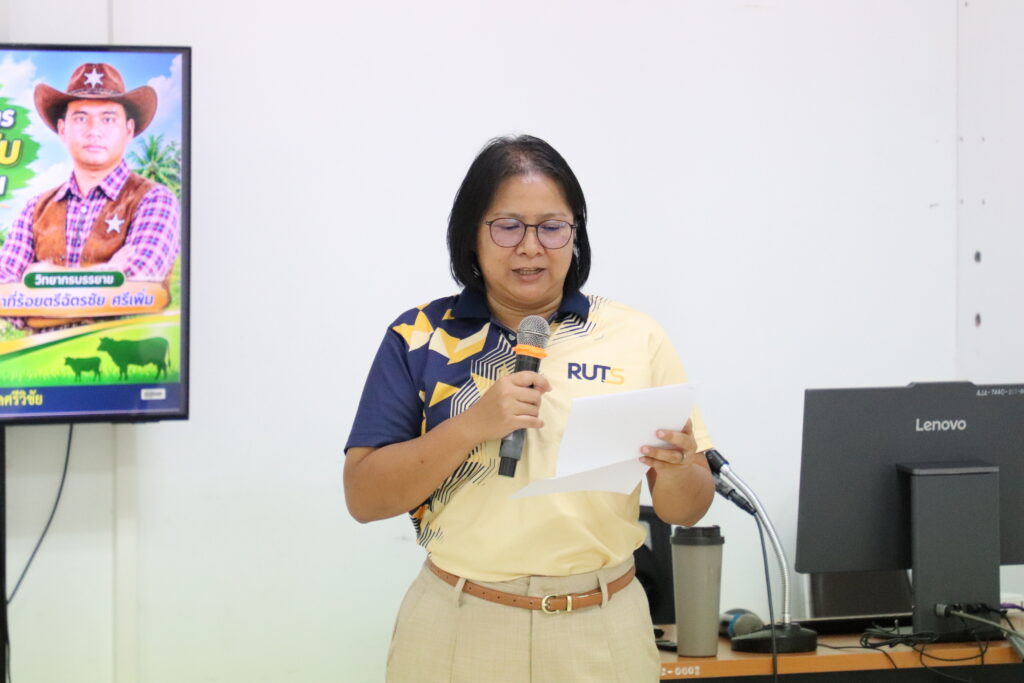
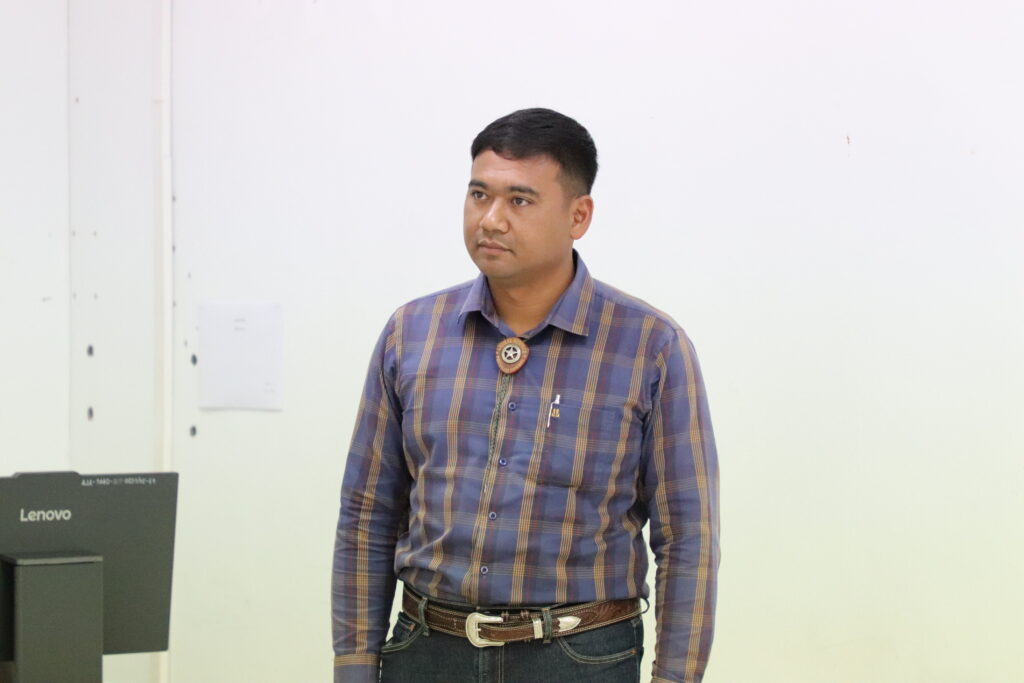
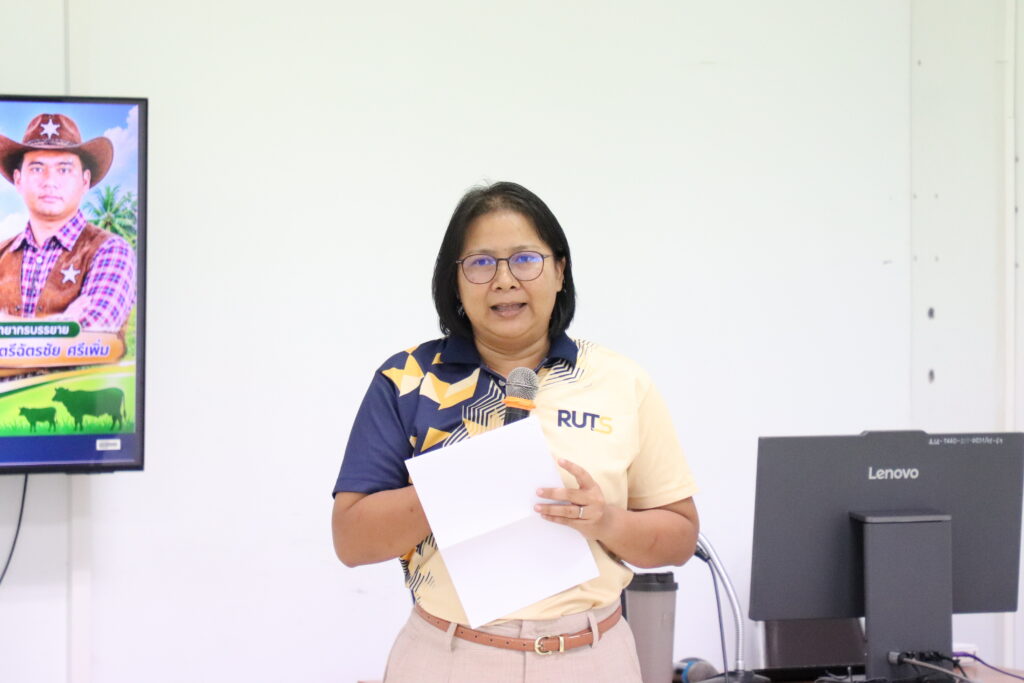
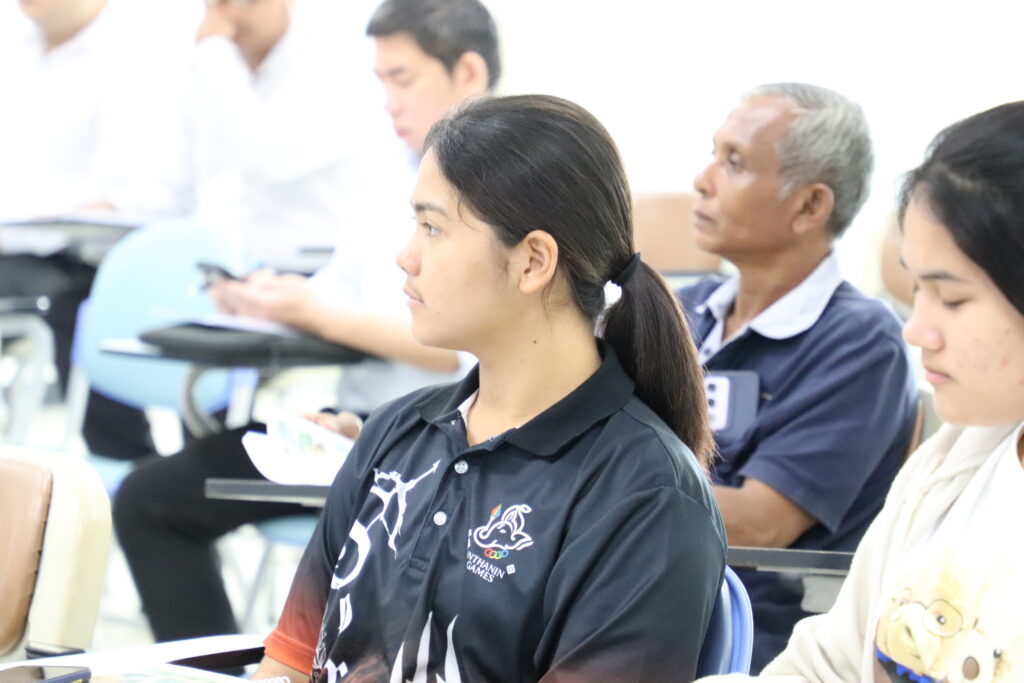
 The training was organized through an integrated collaboration between the Faculty of Veterinary Medicine and the Department of Animal Science, Faculty of Agriculture, RMUTSV. The program featured experts who shared their knowledge and provided practical training, including Associate Professor Dr. Wiralthita Bohman, lecturer at the Faculty of Veterinary Medicine, and Acting Sub-Lieutenant Chatchai Sriphoem, Animal Husbandry Specialist from the Department of Animal Science, Faculty of Agriculture, together with their team. More than 30 participants, including farmers, university students, and school students, took part in the training.
The activities emphasized both theoretical learning and hands-on practice, covering beef cattle nutrition management and the utilization of locally available agricultural by-products, such as oil palm leaves, cassava leaves and stems, and durian peels.
Participants also learned how to calculate and formulate Total Mixed Ration (TMR) and Fermented Total Mixed Ration (FTMR), together with practical sessions on feed production, preliminary feed quality assessment, and livestock feed cost calculation.
The training aimed to equip participants with practical knowledge and skills that can be directly applied to their farms, helping farmers reduce feed costs, improve beef cattle production efficiency, and maximize the utilization of local agricultural resources. Ultimately, the initiative seeks to promote sustainable livelihoods and strengthen the network of beef cattle farmers in the Tapi River Basin.